
Image credit – Hulu Inc./ Disney Enterprise Inc.
Author’s Score
16/20
The Beauty TV series is telling us something
When The Beauty was first released in January on Hulu, there was a degree of uncertainty surrounding its potential success. Many viewers assumed it might follow the familiar pattern of streaming series that generate brief excitement before fading quickly from public attention. However, the strong casting, led by Ashton Kutcher, immediately gave the show a level of credibility and intrigue. Rather than becoming another short-lived streaming release, The Beauty has proven to be a thought-provoking series that challenges audiences to reconsider their understanding of beauty, identity, and societal expectations.
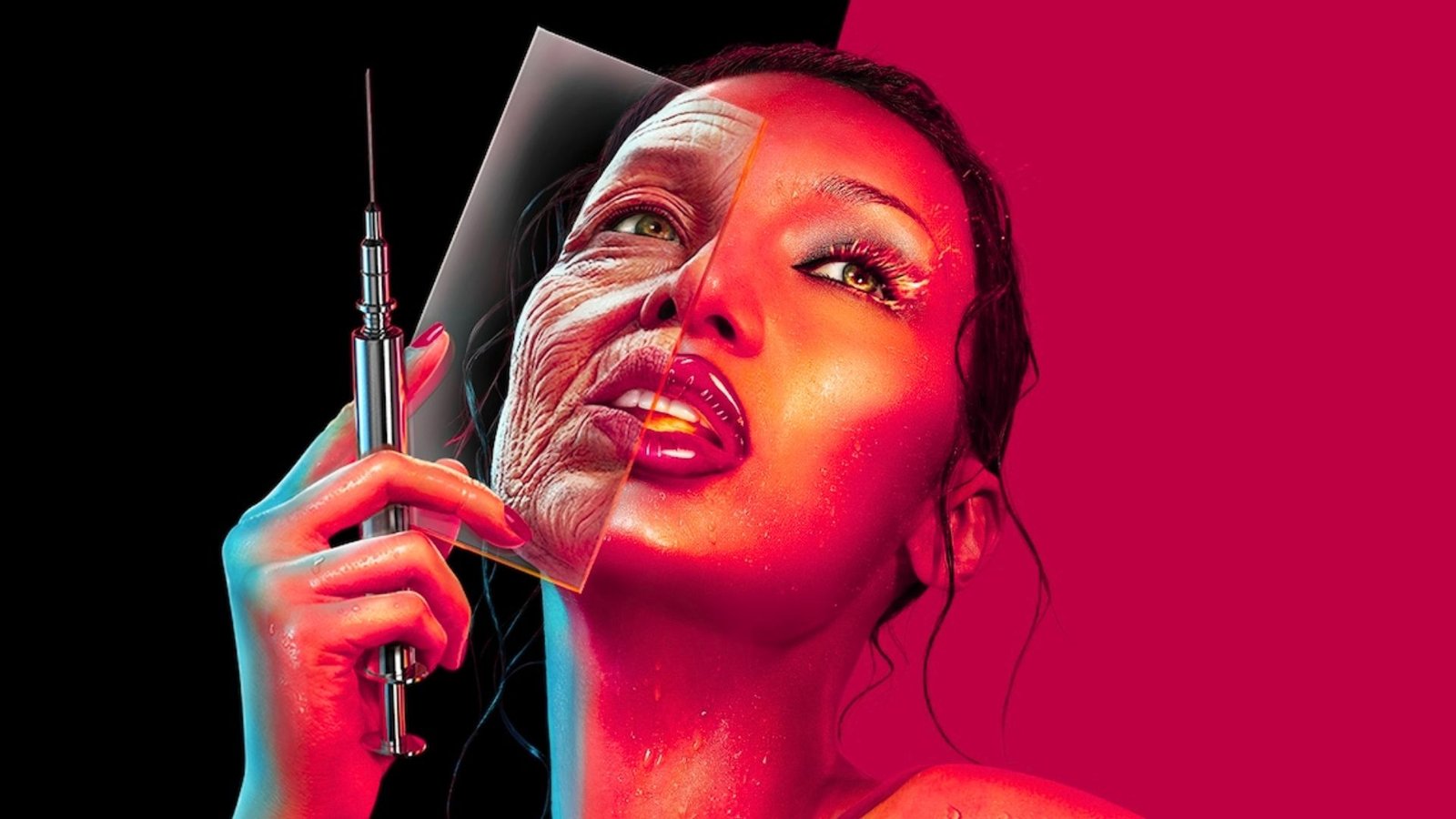
At its core, The Beauty presents a dark and unsettling exploration of how society perceives beauty and how far individuals are willing to go to achieve it. The show introduces a twisted and dystopian concept in which beauty is not merely a social aspiration but a powerful force capable of transforming people in both literal and metaphorical ways. Through this premise, the series highlights the extreme lengths that individuals may pursue in their desire to become attractive, admired, or socially validated. The consequences of these pursuits form the emotional and psychological backbone of the narrative of beauty, which could differentiate between being attractive and not.
One of the most compelling aspects of the series is the way it draws inspiration from real societal norms, and it centralises on the aspects of being attractive. Rather than inventing an entirely fictional concept of beauty, the show collects elements from existing cultural expectations and exaggerates them into dramatic and sometimes disturbing storylines throughout the series. In doing so, The Beauty acts almost as a mirror, reflecting the values that already exist within society while amplifying them to reveal their potential dangers. The narrative structure encourages viewers to engage with the themes actively, prompting them to question their own perceptions and assumptions about attractiveness and social values.
Visually, the series also stands out due to its impressive sci-fi elements. The transformation scenes, in which characters evolve into altered versions of themselves, are particularly striking. The sci-fi graphics are both fascinating and unsettling, illustrating the physical consequences of chasing an idealised version of beauty. These moments combine technological creativity with symbolic storytelling, allowing the visual effects to enhance the underlying message of the series. The transformations are not merely dramatic spectacles; they represent the deeper psychological and cultural pressures that shape people’s identities.
While beauty is the central theme of the show, the narrative extends far beyond physical appearance. The Beauty also explores the idea that society often assumes becoming beautiful or handsome will automatically make individuals more desirable, successful, or valued by others. This assumption is deeply embedded within many cultures, particularly within Western societies, where media, advertising, and celebrity culture frequently promote highly specific standards of attractiveness. The series highlights how these expectations can shape people’s behaviour and influence the way individuals judge both themselves and others.
From a cultural perspective, the show reveals how normalised beauty standards have become within Western society. The constant pursuit of perfection, whether through fashion, cosmetic procedures, or social media presentation, is portrayed throughout the series as both seductive and dangerous. By exaggerating these pressures within a fictional framework, The Beauty exposes the strange and sometimes disturbing side of society’s obsession with appearance. At the same time, it reminds viewers that attractiveness is rarely defined by physical beauty alone. Personality, character, humour, intelligence, and empathy are equally important qualities that contribute to a person’s appeal, yet these attributes are often overlooked.
Ultimately, The Beauty succeeds because it blends entertainment with social commentary. The series manages to be visually engaging, narratively suspenseful, and intellectually stimulating all at once. The dark tone and unusual premise make it stand out among contemporary streaming shows, offering something that feels both original and culturally relevant.
Given the depth of the storyline and the unresolved questions introduced in the first season, the series clearly deserves another instalment. Many viewers are left wondering whether a cure exists for the mysterious condition that causes characters to eventually explode after their transformation. This unresolved mystery provides the perfect foundation for future storytelling. If a second season is produced, it could explore the origins of the phenomenon, its broader impact on society, and whether humanity can break free from its dangerous obsession with beauty.