
The media is buying into his antics
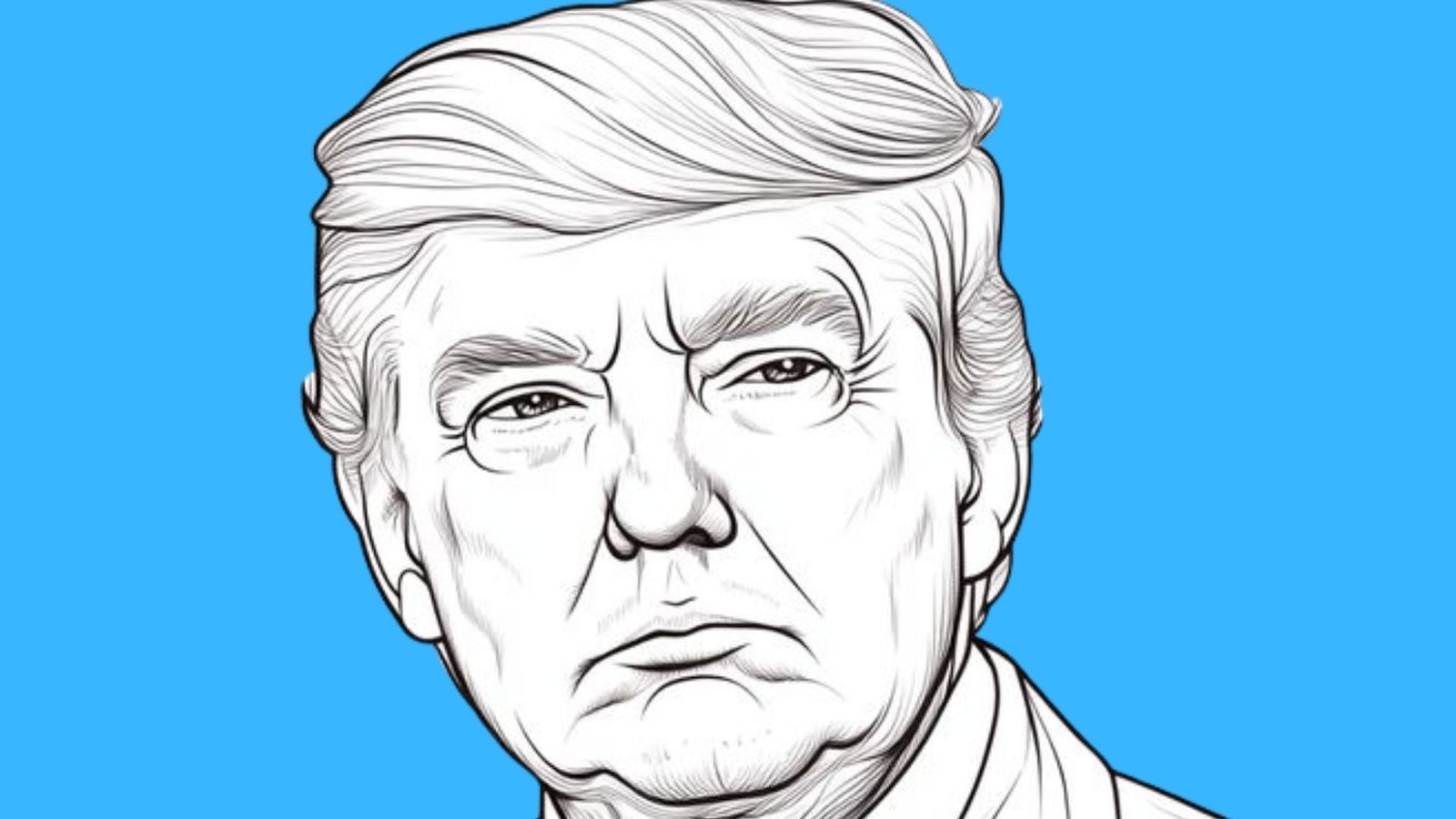
Since Trump’s second term as president, he has developed a distinctive communication style that consistently sparks widespread concern and stimulates debate among world leaders and international observers. Throughout his presidency and beyond, Trump has sought to captivate attention, employing a rhetoric that is often provocative and unorthodox. This pattern of behaviour was evident long before his political career, during his days as a businessman, where he frequently made bold, and sometimes controversial, statements to stay in the public eye and reinforce his brand. His penchant for making striking declarations often resonated quickly with his base, playing a pivotal role in his electoral victories and the rise of the MAGA movement.
Trump’s strategic use of rhetoric was aimed at persuading a specific segment of the American population to embrace his slogan of making America great again, frequently framing immigrants and other minority groups as threats to national stability and economic prosperity. This messaging tapped into underlying fears and frustrations, which he amplified with sensationalist language. The global media often responded by amplifying his negative comments and provocative statements, sometimes even encouraging his confrontational style to assert dominance on the international stage through persistent and aggressive media presence.
His lawsuit against the BBC exemplifies his tendency to challenge established institutions, a stance perceived by many as unusual and unjustified, particularly considering his role as a G20 leader. Such legal actions and accusations should be scrutinised carefully, as they carry significant implications for diplomatic norms and press freedom. The controversy surrounding the invasion of Venezuela, which he claimed was part of broader US foreign policy objectives, was justified by assertions that controlling Venezuelan oil reserves was a strategic priority. This rationale drew criticism and suspicion from international allies and opposition parties, who questioned the true motives behind such aggressive posturing. Furthermore, Trump’s comment about the possibility of the United States occupying Greenland was widely regarded as childish and irrational, revealing a lack of mature strategic thinking and a focus on sensationalism rather than substantive policy. It underscored concerns about the stability of US foreign policy decision-making during his tenure.
Additionally, the United States is experiencing a decline in its global influence, with some analysts pointing to China’s rapid rise as a challenge to US dominance. Many argue that the only way for the US to maintain its superpower status is through more aggressive actions, such as threatening military intervention or imposing economic sanctions on weaker nations, to intimidate rivals and preserve its global position. These behaviours raise questions about the future direction of US foreign policy and the risks of escalation, which could have far-reaching consequences for international stability. In sum, Trump’s approach to leadership, characterised by provocative rhetoric, legal confrontations, and strategic posturing, has notably impacted both domestic politics and international relations. His style continues to generate controversy, reflecting broader debates about the nature of leadership, diplomacy, and the future balance of global power.