
No comeback for Diddy
Author’s Score
19/20
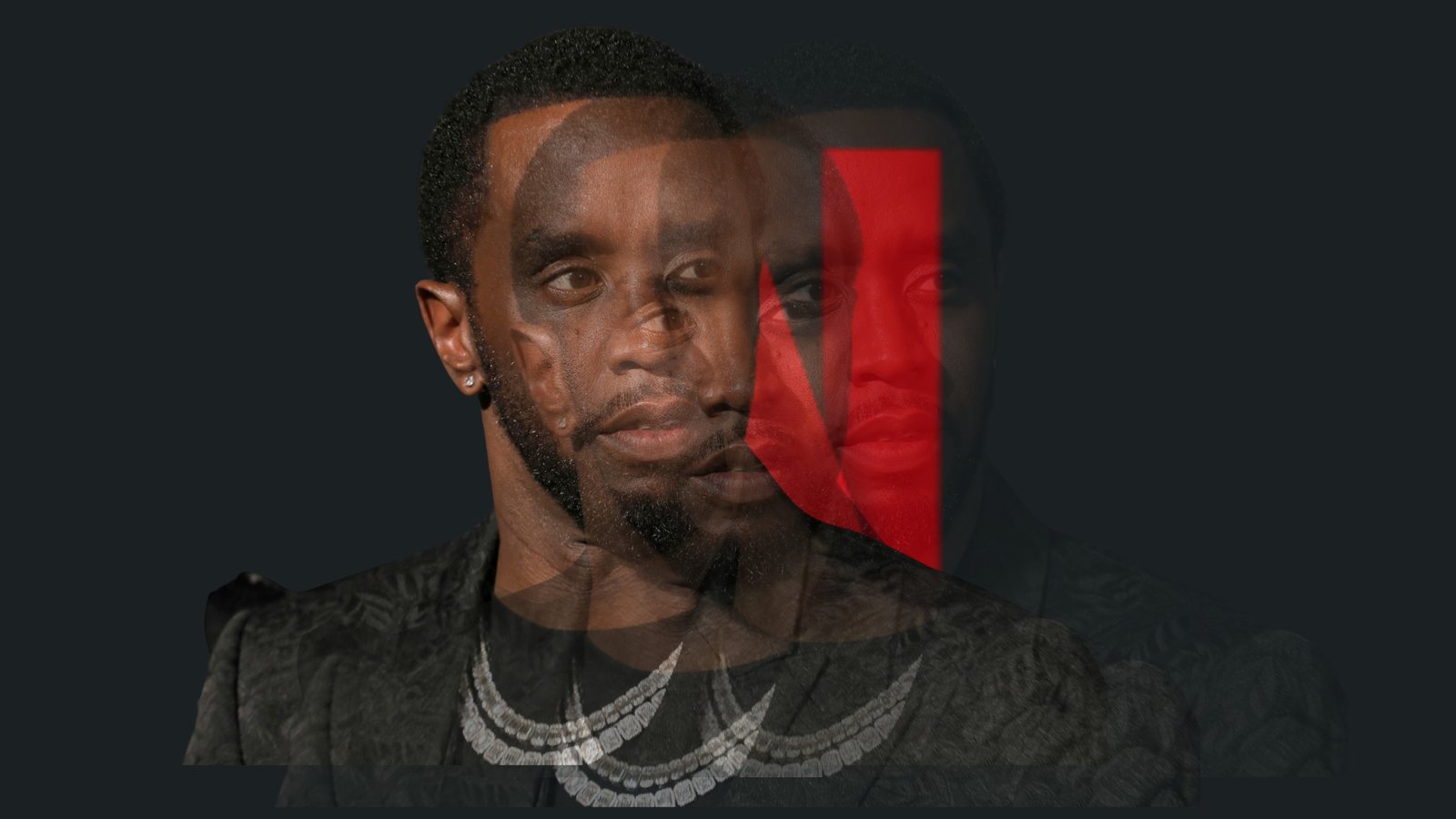
Netflix’s new four-part documentary on Sean “Diddy” Combs has ignited one of the most intense cultural conversations hip-hop has seen in years. The Reckoning is undeniably gripping, eerie, unsettling, and emotionally heavy. It is produced in a way that makes the viewer feel the weight of every testimony, shaping a portrait of a man whose public persona has long overshadowed the darker allegations surrounding his career. But as powerful as the documentary is, it is crucial to recognise that what we are seeing are claims, accusations, and perspectives, not judicial conclusions.
Still, the documentary succeeds in one undeniable way: it captures the public’s longstanding questions. For nearly three decades, rumours, lawsuits, and industry whispers have formed a cloud around Diddy. The documentary doesn’t shy away from this tension; instead, it leans into it, providing facts and detailed encounters. The use of archival clips, recorded phone calls, and personal testimonies creates an atmosphere that is cold, haunting, and emotionally charged. Viewers are left with the uncomfortable sensation that they’re witnessing the unravelling of a music empire built on charm, ego, and control.
The clip of Diddy allegedly remarking that he “needs a shower after shaking hands in public” is one of the moments designed to show a man detached from the everyday humanity of the fans who elevated him. Whether this fully represents his character is open to debate, but the documentary uses such moments to highlight a theme: that Combs operated in an orbit where power went unchallenged, and ego reigned supreme.
However, The Reckoning is careful in its construction. It does not claim to be a verdict. It is a narrative that pulls together the voices of accusers, former associates, and cultural observers to assess the situation and its impact. It is powerful because it resonates with a public already primed to question powerful figures in entertainment.
The documentary will certainly trigger legal aftershocks. It is almost inevitable that more lawsuits, more claims, and more public disputes will follow. The filmmakers know this; the final episode practically sets up a roadmap for future revelations. And while speculation swirls about upcoming trials, including the highly publicised Keefe D case related to the deaths of Tupac Shakur and Biggie Smalls, it remains crucial to separate documentary storytelling from legal facts. Courts, not streaming services, determine guilt.
Yet culturally, this moment matters. Hip-hop is undergoing a cleansing, a generational demand for accountability. And yes, part of that push is spearheaded by figures like 50 Cent, whose involvement in the documentary’s development has stirred discussion. But whether one views him as seeking justice, publicity, or personal vindication, the outcome is the same: a cultural reckoning has been forced into the spotlight.
When Diddy eventually completes his current prison sentence, which the documentary references but does not adjudicate, his public standing will be dramatically different. His billionaire status, once celebrated, may indeed fade, not because a documentary declares him guilty, but because cultural capital erodes when trust evaporates.
The Reckoning is not the end; it is the beginning of a broader conversation about power, exploitation, and accountability within hip-hop and the entertainment industry. But as that conversation unfolds, we must anchor ourselves in facts, recognise the difference between allegation and conclusion, and understand that documentaries shape narratives; they do not deliver verdicts.
What is clear is this: a second season feels inevitable, because the story of Diddy, and the culture that enabled him, is far from over.