It’s the right time to make it happen
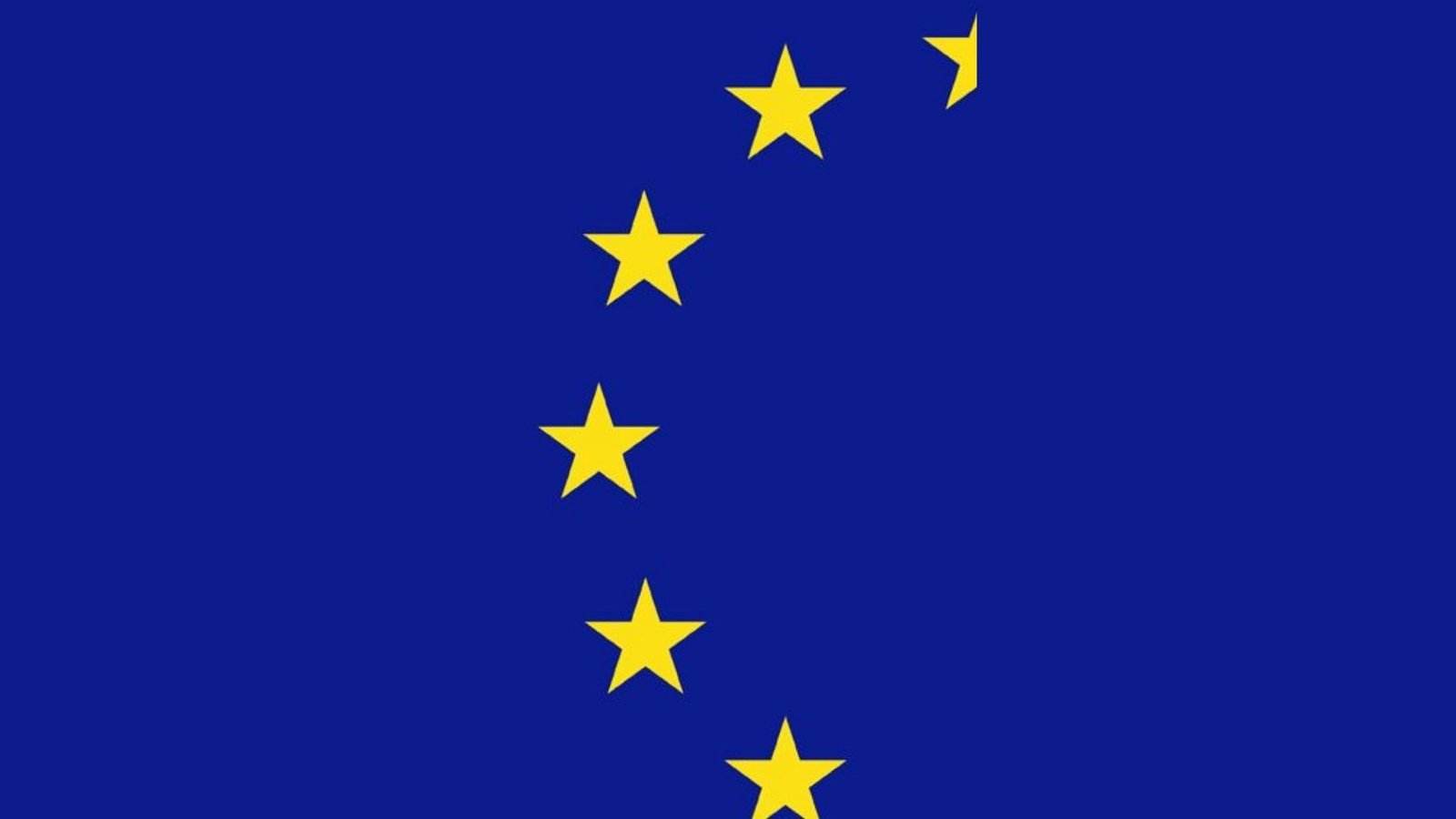
The European Union needs to become significantly more sustainable if it is to remain relevant, competitive, and economically resilient in an increasingly volatile global environment. With more member states considering leaving the EU and the Eurozone facing prolonged economic turmoil, the Union is no longer viewed as the stable economic haven it once promoted. Economic integration and prosperity, which were once at the core of the EU’s appeal, have weakened, exposing structural flaws within the bloc that demand urgent reform.
Brexit symbolised the broader decline of the Union and revealed the vulnerabilities within the EU’s political and economic frameworks. The UK’s departure weakened the EU’s global standing and damaged its credibility as a unified trading bloc. The consequences of Brexit extended beyond political symbolism, as the loss of one of its largest economies reduced investor confidence and limited the EU’s economic strength. This departure also demonstrated that the Union was not as strong or cohesive as it had portrayed itself to other global trading partners, ultimately undermining its negotiating power.
Furthermore, weaker economies such as Greece and Malta have placed considerable strain on the EU’s financial stability. Their ongoing struggles have forced the European Central Bank (ECB) to adopt unconventional and, at times, extreme monetary policies in an attempt to maintain cohesion and prevent economic collapse. This reliance on monetary intervention rather than meaningful fiscal reform highlights the deep-rooted inefficiencies within the Union’s economic governance. The pressure placed on the ECB to stabilise diverse and uneven economies is unsustainable and risks further destabilising the Eurozone.
The EU has increasingly become a free-for-all in which member states are permitted to join without demonstrating long-term fiscal strength or economic resilience. This lack of stringent entry requirements weakens the overall stability of the bloc and diminishes accountability among members. The heavy emphasis placed on monetary policy as the primary tool for economic management is unrealistic, and the ECB alone cannot sustain the ambitious economic transformation the Union hopes to achieve by 2030.
Additionally, the EU’s increasingly relaxed approach to trade has eroded its competitiveness. By allowing numerous free trade agreements with minimal restrictions, the Union has weakened its position as a powerful collective trading bloc. China’s easy access to EU markets demonstrates how foreign producers can export goods with fewer barriers, intensifying competition for domestic industries. This erosion of protectionist policies has undermined economic integration, which was once the central justification for EU membership. Instead of strengthening unity, these policies have contributed to economic fragmentation and industrial decline.
Environmental sustainability mechanisms within the EU are also far from effective. While ambitious climate targets exist on paper, their real-world impact remains limited. The EU’s environmental agenda appears increasingly influenced by political tensions between major powers such as China and the United States, rather than being guided by coherent, long-term ecological strategies. As a result, sustainability has become more of a political slogan than a practical objective.
The rhetoric of figures such as Donald Trump further illustrates the Union’s weakened geopolitical standing. His comments imply that the EU is now vulnerable to external pressure and manipulation, similar to the influence exerted by the United States through initiatives such as the Marshall Plan. This perception of weakness underscores the urgent need for the EU to reclaim strategic autonomy and reinforce its internal cohesion.
To become more sustainable, the EU must reinvigorate its Single Market, which remains one of its most powerful economic tools. The Single Market has the potential to generate inclusive growth, encourage innovation, and strengthen internal trade. However, the EU appears to have neglected this asset, focusing instead on increasing political centralisation and demanding that member states surrender greater sovereignty. Such political overreach risks alienating national governments and fuelling public scepticism.
Rather than pursuing political dominance, the EU should aim to unite its member states around a shared vision of sustainable economic prosperity. Establishing a new and modern treaty that reflects contemporary global realities, while respecting national autonomy, would help restore confidence in the European project. Only through balanced reform, genuine cooperation, and renewed economic purpose can the EU secure long-term stability and sustainability.