
All of them are looking the same
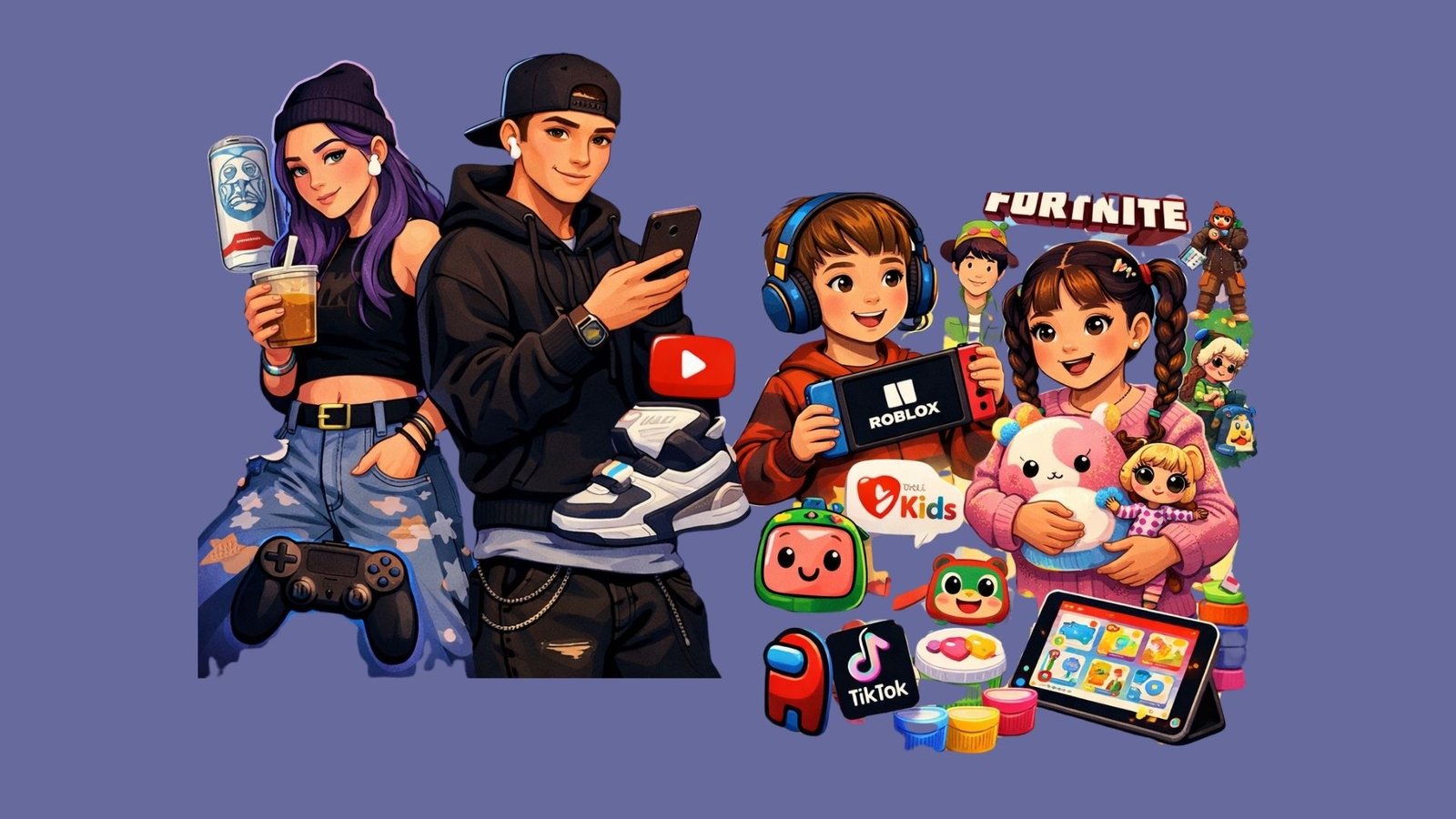
Gen Alpha and Gen Z are interconnected, as Gen Alphas are now copying their predecessor. The cultural handover between generations has never been so rapid or so visible. With social media accelerating trends at unprecedented speed, behaviours, tastes, and identities are no longer shaped slowly over time. Instead, they are inherited almost instantly. Gen Alpha, raised on screens and algorithms, consumes the same content as Gen Z, idolises the same influencers, and aspires to the same aesthetics. The result is a generational blur, in which distinctions once defined by age are flattened into a single, continuous consumer culture.
Brands are always changing, but brands try to bring the nostalgia back to create a feeling of making the brands feel relevant. Nostalgia has become a dominant marketing strategy, particularly in an era of uncertainty and cultural fatigue. Familiar logos, retro designs, and revived product lines offer comfort and emotional reassurance. For Gen Z, this nostalgia is often borrowed, rooted in a time they never personally experienced but feel connected to through media. For Gen Alpha, it is inherited second-hand, shaped by older siblings, parents, and digital platforms. Brands exploit this emotional shortcut, knowing that familiarity often sells better than originality.
However, brands do not seem to be bothered anymore about creating product brands to get consumers excited. Innovation has taken a back seat to iteration. Instead of radical product development, many companies now rely on minor upgrades, cosmetic redesigns, and incremental changes. The risk associated with genuine innovation appears too high when predictability ensures steady profits. As a result, markets are flooded with near-identical offerings, all competing for attention in an overcrowded digital space.
Apple has not created another variant of their products since iPhone 7, apart from changing some features and charging consumers hefty prices. Again, Gen Z and Gen Alpha consumers are still buying it and showing it off on their social media platforms. The smartphone has become less of a technological tool and more of a social symbol. Ownership signals belonging, status, and identity. In this environment, novelty matters less than visibility. Brands rely on social currency, not product differentiation, to sustain demand.
Brands feel that they do not need to put effort into enhancing their brand equity to create a product brand that could form that excitement. Loyalty is no longer built on long-term satisfaction but on short-term relevance. Viral moments, influencer endorsements, and algorithm-driven exposure have replaced craftsmanship, quality, and meaningful design. The product becomes secondary to its online performance.
It seems that millennials have high expectations for brands to create formidable products that make them get out of their seats and go and purchase the products multiple times. Having grown up through rapid technological change, millennials associate progress with tangible improvement. They expect innovation to be visible, functional, and transformative. For Gen Z and Gen Alpha, however, the baseline is already saturated with advanced technology. Their expectations are shaped more by experience, image, and convenience than by breakthrough functionality.
It seems that brands are using the short attention span of Gen Alpha and Gen Z to create the same products and create menial products with nostalgic attachment to get them excited. In a world of endless scrolling, fleeting trends, and instant gratification, brands prioritise speed over substance. Products are designed to be consumed, displayed, and discarded, rather than cherished or upgraded.
For Gen Alpha and Gen Z, brands are creating the same products, and they are getting away with a lack of product innovations. This creates a cycle where creativity is stifled, and mediocrity becomes normalised. As long as engagement remains high and profits are stable, there is little incentive for brands to take risks.
Ultimately, this uniformity raises important questions about the future of consumer culture. If brands continue to rely on nostalgia and minimal innovation, will creativity stagnate? Or will a new generation eventually demand more? For now, Gen Alpha and Gen Z remain locked in a loop of sameness, where looking the same, buying the same, and sharing the same has become the defining feature of modern branding.