
Is it all about him?
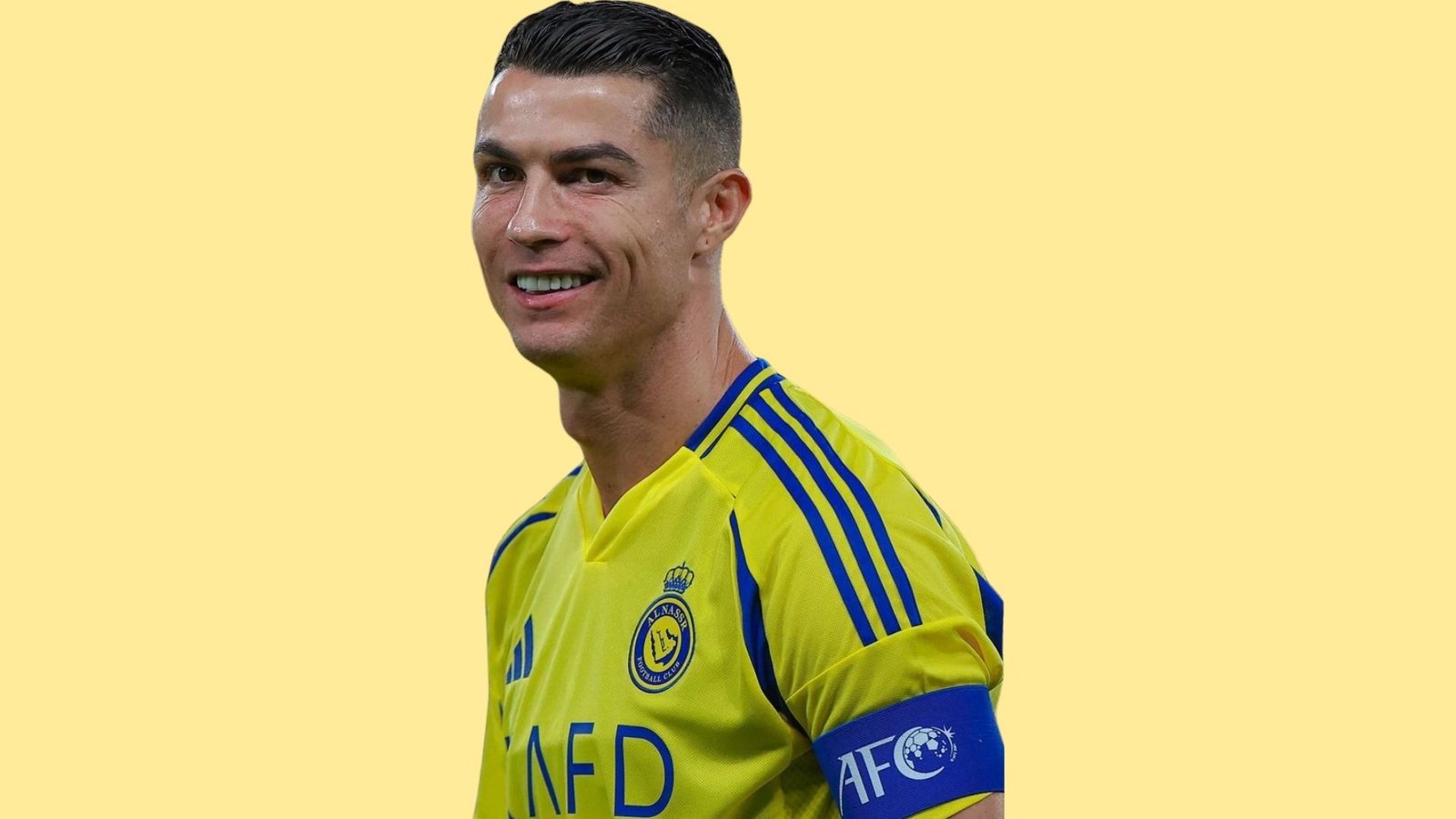
On the football pitch, Cristiano Ronaldo has cemented himself as the GOAT, and no one can take that away from him. His achievements, records, longevity, and relentless pursuit of excellence place him among the greatest players the sport has ever seen. Maybe the only thing that he has not won is the World Cup, but not a lot of players actually win everything unless they are from unique footballing countries like France, Brazil, or Germany. Even without that final accolade, Ronaldo’s trophy cabinet, goal tally, and influence on the modern game are unmatched.
Beyond football, Ronaldo has established a celebrity persona where he is liked by other celebrities and respected by footballing greats. His brand stretches far beyond the pitch, encompassing fashion, business, fitness, and global marketing. However, his antics outside of football are making him become an unlikable character and, in some ways, are beginning to have an impact on his legendary status. What once felt like confidence now borders on entitlement, and self-belief increasingly appears as arrogance.
This all started in Naples with Juventus, where he requested to leave on deadline day because of unpaid wages and reportedly threatened legal action against the club. His untimely departure came as a shock, particularly given the scale of his arrival and the expectations that surrounded it. His dissatisfaction with the team’s playing style and the perceived lack of quality among some teammates seemed to accelerate his exit. The episode left a bitter taste, suggesting a growing intolerance for environments that did not revolve entirely around his needs.
It feels like Ronaldo has become more of a celebrity icon rather than a role model who influences other players to be like him. While his work ethic remains extraordinary, his conduct often sends a conflicting message. The egotistical nature of Ronaldo has made some football fans struggle to put him at the top of their GOAT list, with many now opting for Messi instead. Not because of ability, but because of humility, teamwork, and professionalism.
At Manchester United, this was highlighted in the most dramatic way possible. His mentorship of young players was harsh, and he frequently criticised them for not listening or working hard enough. While standards are important, his approach often appeared confrontational rather than constructive. His leadership style was autocratic, as he wanted the team to play to his strengths and believed he was above the board of directors because his brand equity was making the club lucrative.
It was even later mentioned by Ole Gunnar Solskjær that he did not want Ronaldo at the club because he did not need him. This statement alone speaks volumes. Walking out in front of thousands of fans during the Spurs game showed the true nature of Ronaldo and what he can be when his ego is bruised. It was a moment that shattered any illusion of selflessness and placed his personal pride above collective responsibility.
And it did not take very long before he showed his true colours again at Al Nassr, where he has protested and taken strike actions because he is unhappy with the transfer policy of the Saudi Pro League’s governing structure. Once more, frustration turned into public dissent. Instead of leading by example, he became a symbol of unrest, placing pressure on club executives and teammates alike.
This image of Ronaldo will not go away. He remains a formidable player and continues to demonstrate his ability on the pitch, but these little antics will always shadow what he is paid to do, which is to play football. The narrative surrounding him increasingly centres not on goals or trophies, but on controversy, conflict, and ego.
Ronaldo does not need to get involved with boardroom politics or power struggles. What he needs is to focus on his game and retire gracefully, leaving behind a legacy that inspires rather than divides. With millions of young players looking up to him, his actions carry enormous influence.
Everywhere Ronaldo goes, he always finds trouble, as trouble never seems to find him. This recurring pattern raises uncomfortable questions about accountability and self-awareness. His greatness is unquestionable, but greatness alone does not define legacy. Character, humility, and leadership do. If Ronaldo wishes to be remembered not just as a footballing phenomenon but as a true role model, he must learn that sometimes the most powerful statement is silence, discipline, and respect.