

Human intelligence cannot be replaced
When AI was first introduced into the commercial space, it was presented as something that could rival, or even surpass, human intelligence. We all use AI in different ways, and it has certainly enhanced our lives, but this growing reliance is making humans increasingly uneasy. With this dependence, AI companies have seen a significant rise in status, and their market capitalisations have surged, as every company wants to be part of this trend. Even Meta and other multinational corporations have created their own AI platforms and apps.
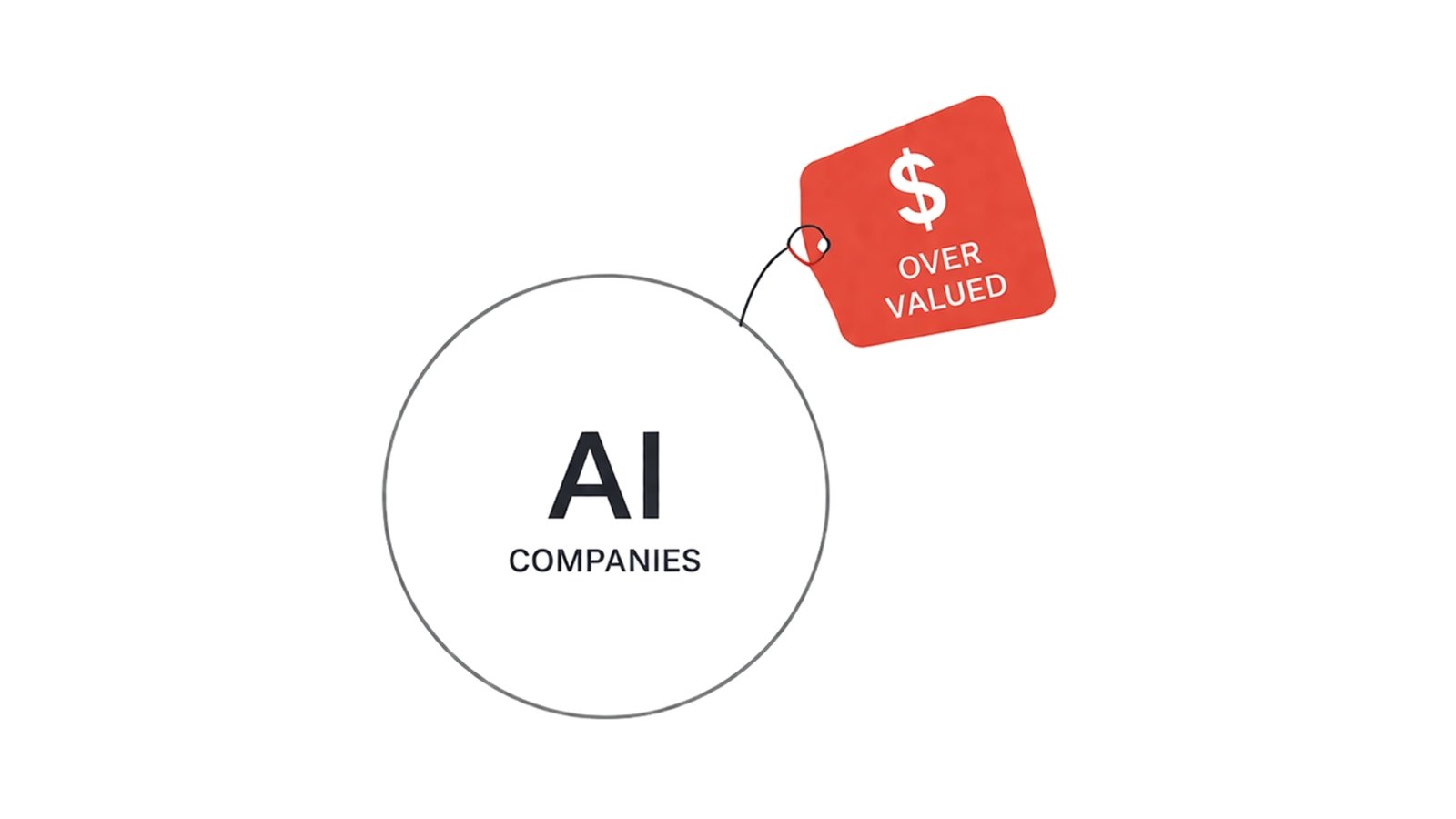
Due to the widespread use of AI, leading companies such as OpenAI and Anthropic (Claude) are being valued at exponential rates, prompting some investors to question whether these valuations are realistic. These AI providers arguably cannot justify such high valuations, as they are not consistently selling products or services directly tied to sustainable revenue streams. In contrast, there is clearer justification for tools like Gemini and Copilot, as Google and Microsoft have integrated AI into their core products in ways that generate revenue.
For example, Copilot is integrated into Office 365 (M365), allowing users to proofread and enhance their work within Microsoft Word. This integration encourages both individuals and organisations to adopt the full M365 suite due to its seamless functionality and user-friendly design.
With soaring valuations and increasing market saturation, AI companies are now facing challenges, as they are beginning to realise that they are not truly competing with human intelligence. The market may eventually correct itself, as there is a place for these tools, but as tools to assist, not replace, humanity. That arguably should have been the core of their marketing strategy.
AI companies appear to be overvalued, and there is growing awareness of this. AI, in its current state, is not equipped to overtake human intelligence or innovation. While it is effective in sectors such as manufacturing and parts of the quaternary sector, many industries still require a human-centred approach to ensure high-quality outcomes in both products and services.
The postponement of Sora by OpenAI suggests that AI-generated video has not yet reached a level where it can fully replicate real-life visuals. Additionally, reports of Disney stepping back from potential collaboration with OpenAI have sparked debate around the credibility and practical use of AI. It may be that Disney recognises AI as a supportive tool rather than a replacement for human creativity. The company has successfully combined human and artificial intelligence in its processes, so there may be little incentive to change that balance.
AI is undoubtedly valuable in streamlining workflows and reducing workloads. However, greater emphasis should remain on human capability. Overreliance on AI has contributed to inflated company valuations, which may not be sustainable and could pose risks to the wider stock market.
A standalone AI company being valued in the billions raises valid ethical and financial questions. In contrast, companies that integrate AI into existing, revenue-generating products appear more grounded in reality, as their valuations are supported by tangible outputs and established business models.