
The writing is on the wall
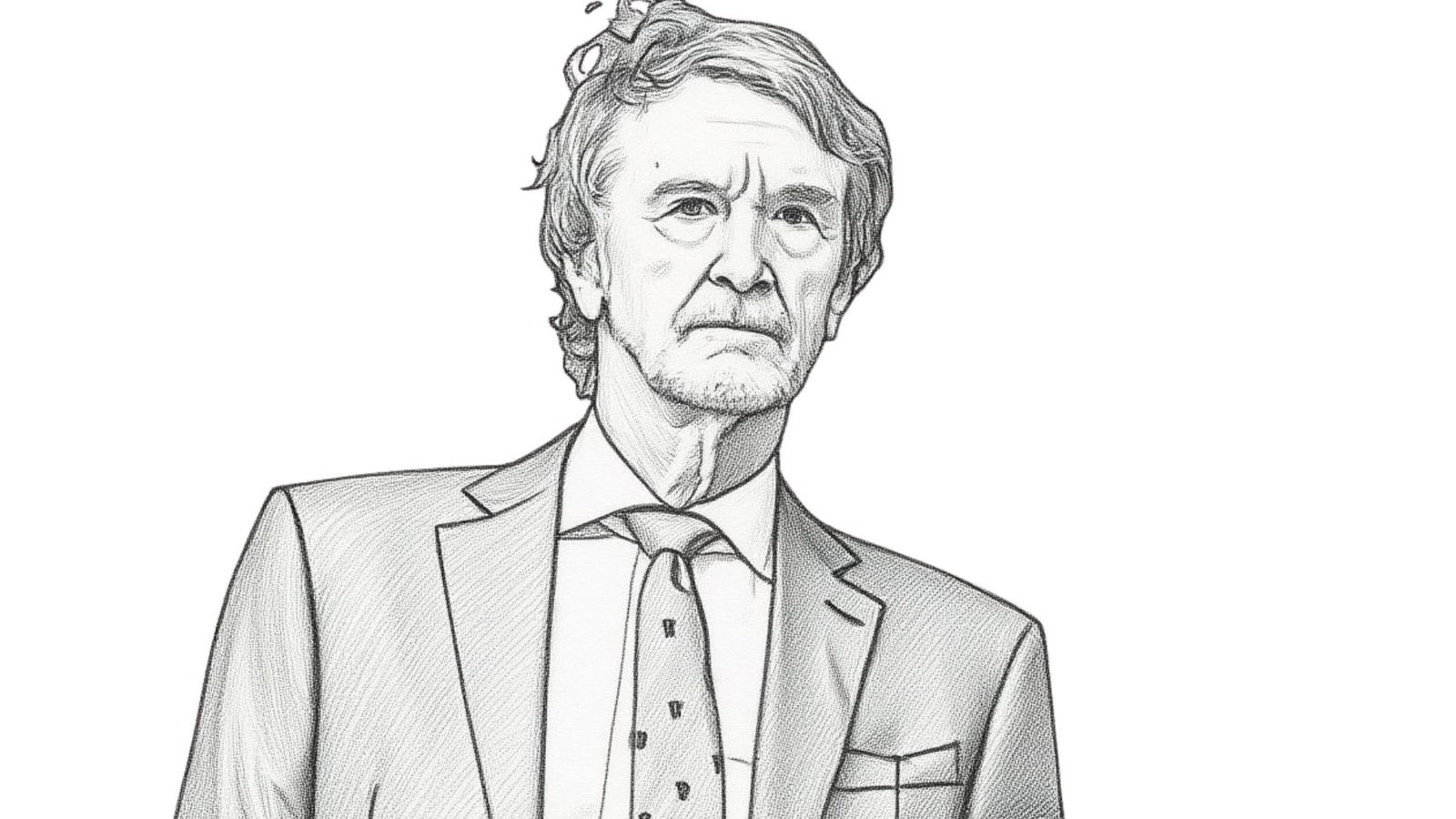
Jim Ratcliffe’s comment about immigration earlier this month has made him public enemy number one. What may have been intended as a political observation quickly escalated into a public relations disaster, drawing widespread criticism from fans, commentators, and community leaders.
It is not wrong that the public did not agree with him, because what he said did not just have an impact on his personal image, but also on Manchester United, as the club was forced to publish a statement to distance itself and manage the backlash. In doing so, the club became entangled in controversy that had nothing to do with football, damaging its reputation as a global institution built on inclusivity and unity.
Since he bought half of the club, United fans have remained deeply sceptical. While many initially believed Ratcliffe had the financial clout and strategic insight to restore the club to its former glory, this optimism has rapidly faded. Some of his early decisions appeared promising, yet the broader direction of the club has remained confused. Ratcliffe and his senior team at INEOS have shown that they lack the coherent footballing vision and institutional understanding needed to rebuild a club of such magnitude. Rather than establishing a clear sporting identity, they have overseen a period of instability, uncertainty, and questionable leadership choices.
The decision to appoint Ruben Amorim was arguably one of the worst of Ratcliffe’s tenure. The choice lacked strategic logic and seemed detached from the club’s historical playing philosophy. Even more damaging was the length of time Amorim was backed, despite poor performances and a steady decline in results. Conducting interviews to publicly support a manager presiding over one of the worst records in the club’s history felt not only misplaced but bizarre. This prolonged loyalty suggested indecision, poor judgment, and a lack of accountability at the very top.
Beyond managerial chaos, operational missteps have further eroded trust. The lengthy pursuit of a football director, followed by his abrupt dismissal on cultural grounds, was a textbook example of flawed governance. Months of negotiations, only to end in termination, highlighted inefficiency and wasted resources. It also raised serious questions about the club’s internal decision-making framework. If cultural fit was such a decisive factor, why wasn’t it identified earlier?
The redundancy of United staff compounded the growing resentment. These cuts were implemented with little sensitivity, undermining the family values the club has embodied since its establishment. For decades, Manchester United has prided itself on community, loyalty, and heritage. Sudden job losses, justified under cost-cutting measures, appeared ethically hollow and disconnected from the club’s identity. Moral and business principles seemed absent from the process, intensifying fan disillusionment.
As a result, there is now a significant level of hostility towards Ratcliffe among the fanbase. Many supporters increasingly believe the club should be sold to a Saudi consortium, arguing that only such financial and political influence can restore Manchester United to elite status. Ratcliffe is widely perceived as a Glazers 2.0: another owner focused on asset management rather than sporting excellence. While he has strengthened elements of the player transfer policy and recruited technically gifted players, these efforts have not translated into consistency, coherence, or competitiveness.
United fans do not trust Sir Jim until he delivers tangible success. Promises alone are no longer enough. Supporters want trophies, a return to the club’s attacking identity, and a sense of pride restored to Old Trafford. The Premier League title remains the ultimate benchmark, and without progress towards it, patience will continue to erode.
If Sir Jim fails to deliver on these ambitions, the writing is firmly on the wall. Pressure will mount for him to sell his majority stake to owners with deeper financial resources and greater sporting ambition. In modern football, emotional attachment and nostalgia carry little weight compared to results and vision. Ratcliffe’s challenge is not simply financial; it is cultural, structural, and philosophical.
Manchester United is not just a football club; it is a global symbol. As an owner, you need to understand that leadership here demands humility, clarity, and respect for tradition. Until Ratcliffe demonstrates that he possesses these qualities, his tenure will remain defined by controversy, uncertainty, and missed opportunity.