
The death of a genre
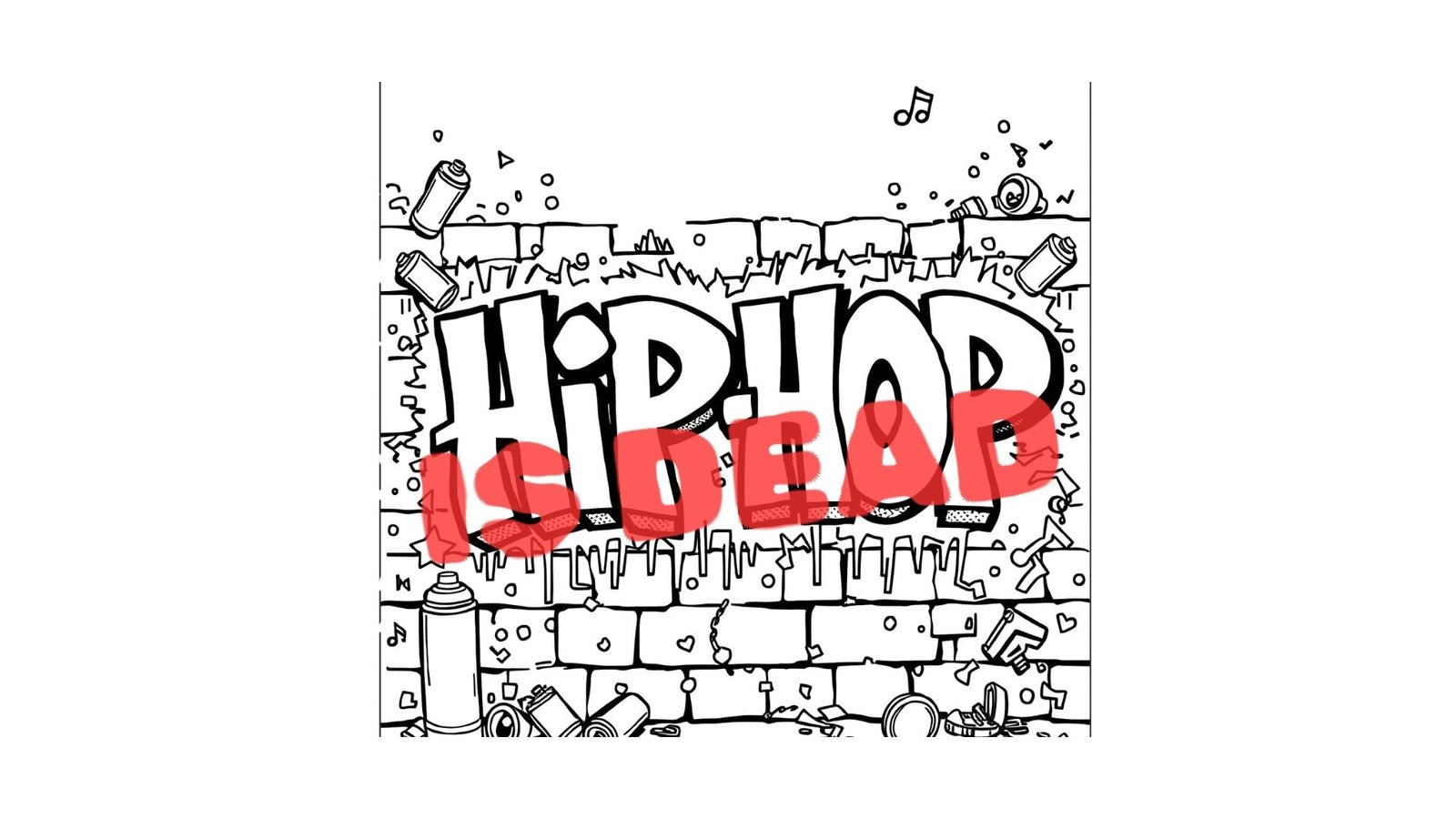
When Nas released Hip Hop Is Dead in 2006, his claim was widely dismissed as provocation rather than prophecy. At the time, hip-hop was commercially dominant, culturally influential, and seemingly unstoppable. Yet nearly two decades later, that controversial statement feels uncomfortably relevant. In October 2025, a striking moment arrived: for the first time in years, no hip-hop tracks featured in the top 40 of the Billboard Hot 100. Instead, the chart was overwhelmingly dominated by pop artists, most notably Taylor Swift. For a genre that once defined global youth culture, this absence speaks volumes.
This moment is not just about chart positions; it signals a deeper shift in the music industry and in hip-hop itself. For decades, hip-hop was the sound of rebellion, innovation, and social commentary. It grew from the margins to become the dominant cultural force of the 2000s and 2010s. To see it sidelined now raises difficult questions about its future relevance.
One explanation lies in the changing relationship between artists and the music industry. Many hip-hop artists have deliberately distanced themselves from major labels, seeking freedom from restrictive contracts, exploitative deals, and executive interference. Independence has become a badge of honour. Owning masters, controlling release schedules, and building direct relationships with fans are now prioritised over chart success. For many artists, this shift represents long-overdue empowerment.
There is no denying the value of this independence. Artists who control their catalogues can generate income long after their careers peak, ensuring financial security and creative autonomy. In this sense, hip-hop has arguably won a battle it has been fighting since its inception: freedom from corporate control.
Yet this liberation comes at a cost. The absence of hip-hop from the Billboard charts feels jarring, especially given the genre’s global reach and the immense wealth of many of its leading figures. Independence should not mean invisibility. While major labels once controlled radio play and marketing budgets, today’s independent artists possess unprecedented resources, platforms, and audiences. Choosing not to compete in mainstream spaces risks allowing the genre to fade from the wider cultural conversation.
There is also a responsibility that comes with freedom. Hip-hop has always been more than music; it is a culture with a history, a philosophy, and a community. Opting out of charts, radio, and traditional promotion may protect artistic integrity, but it also weakens collective visibility. When artists retreat into niche audiences, the genre loses its unified voice.
This leads to an uncomfortable contradiction. Hip-hop appears to be simultaneously powerful and fragile. On one hand, independent artists are wealthier and freer than ever. On the other hand, the genre seems unable to thrive without the infrastructure it once resisted. That reality challenges the long-held belief that corporate backing was the enemy of authenticity. Perhaps, instead, it was a necessary vehicle for scale.
The fear now is not just decline, but dilution. As hip-hop blends increasingly with pop, electronic, and alternative sounds, its core identity risks being eroded. Genre fusion can be innovative, but when boundaries dissolve completely, culture becomes aesthetic rather than substantive. The values, language, and social urgency that once defined hip-hop may be absorbed into other forms, leaving behind little more than influence without origin.
If this trajectory continues, hip-hop may not disappear overnight, but it will transform into something unrecognisable. A decade from now, it may exist only as a historical reference point, sampled, quoted, and reimagined, but no longer central.
That is why Nas’s words linger. He was not predicting the end of music, but the death of a culture that had lost its collective direction. Looking at the charts, the industry, and the fragmentation of the scene, it is hard to deny that something has been lost.
Hate it or accept it, the signs are there. For those who truly understand hip-hop, Nas was not being dramatic in 2006. He was simply early.