

Is it here to stay?
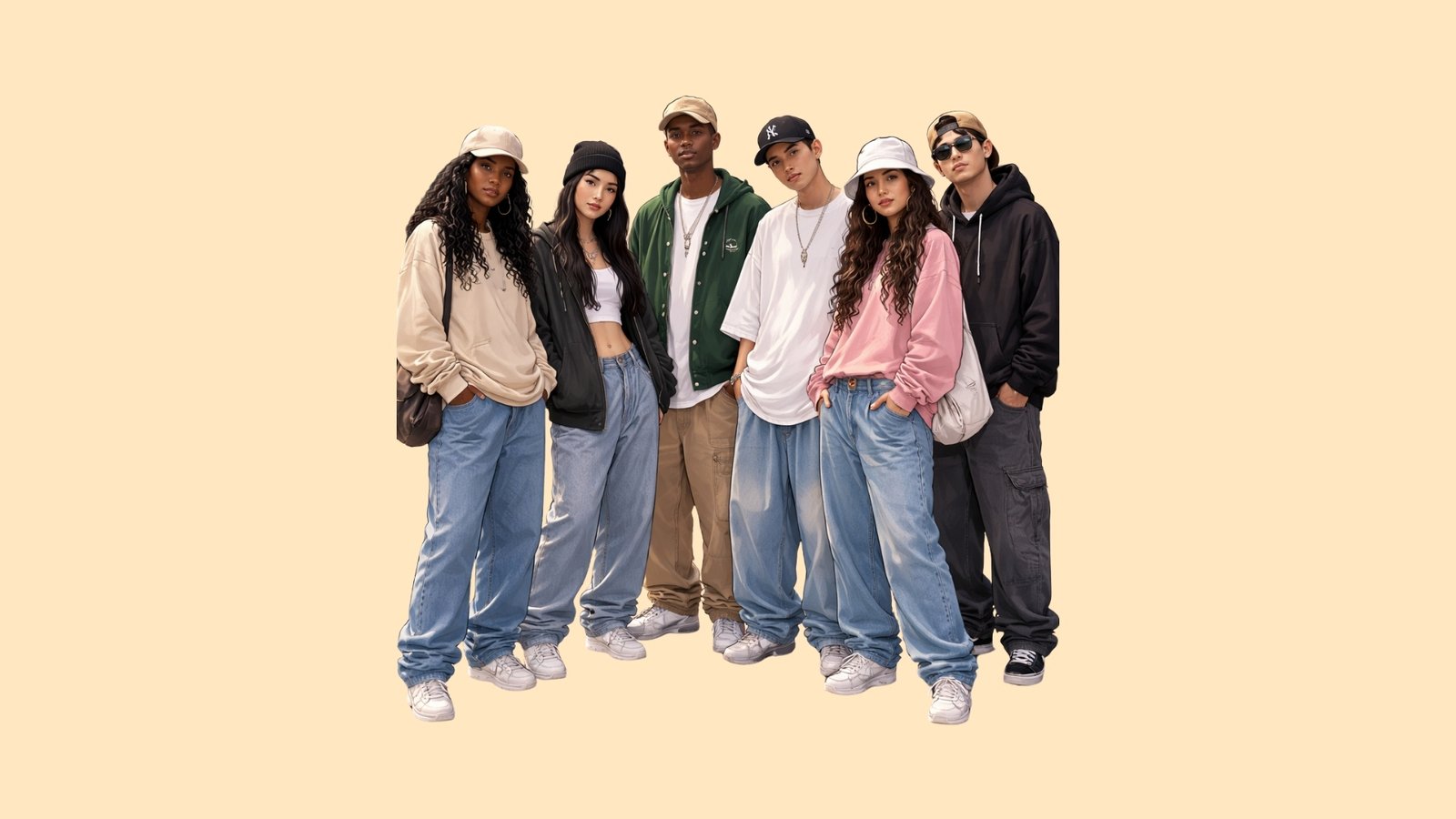
Gap Clothing Inc. recently announced that they are making more sales compared to previous years, and this is mainly due to the growth of the fashion industry. However, the increase in sales is not simply down to increasingly popular fashion trends in general, but more importantly, to the renewed popularity of baggy clothing. This shift in consumer preference highlights how cyclical fashion can be, as styles that were once considered outdated are now returning to the mainstream with strong demand.
In the 2000s, baggy clothing was cool and trendy, strongly associated with hip hop culture. Rappers and artists embraced this style because it provided comfort, freedom of movement and a distinct sense of identity. Baggy clothing became a symbol of self-expression, rebellion and cultural influence. The mass appeal of this style was further amplified by professional athletes, particularly in basketball, where NBA players were often seen wearing oversized outfits both on and off the court. As a result, consumers began to favour baggy clothing over more fitted alternatives.
Brands such as Rocawear and FUBU played a significant role in popularising this trend. These brands were deeply rooted in urban culture and helped bring baggy fashion into the mainstream. The rise of these labels created a surge in demand for oversized clothing, making it more accessible and appealing to a wider audience. Baggy clothing was no longer just a niche trend; it became a dominant force in fashion during that era.
However, by the end of the 2010s, baggy clothing began to lose its appeal. Fashion trends shifted towards a more tailored and fitted aesthetic, with slim-fit and cuffed styles becoming the new standard. Consumers moved away from oversized clothing, viewing it as outdated and no longer fashionable. This transition marked a significant change in the industry, as brands adapted their designs to meet the growing demand for more structured and form-fitting garments. Baggy clothing was quickly dismissed, almost as if it had become irrelevant overnight.
Towards the end of 2023, baggy clothing started to make a gradual return. The COVID-19 pandemic played a crucial role in this shift, as it changed the way people dressed daily. With more individuals working from home, comfort became a priority, leading to an increase in the popularity of sweatsuits and tracksuits. This shift in lifestyle created the perfect environment for baggy clothing to re-emerge. What initially began as a practical choice for comfort slowly evolved into a full fashion trend.
Adidas quickly capitalised on this trend by promoting its Adidas Originals range, which aligns closely with retro and relaxed styles. The resurgence of the Adidas Samba further strengthened the connection between modern fashion and nostalgic influences. As more consumers began purchasing the Samba, it became closely associated with the baggy clothing trend, reinforcing its presence in contemporary fashion.
Other brands have also followed suit, embracing the resurgence of baggy clothing and contributing to its growing dominance in the market. As a result, the fashion industry has become increasingly saturated with oversized styles, ranging from jeans and hoodies to outerwear. This widespread adoption demonstrates how quickly trends can re-establish themselves when supported by cultural influence and consumer demand.
Beyond its commercial success, baggy clothing has also brought a strong sense of nostalgia to modern fashion. For many millennials, this trend feels less like a comeback and more like a continuation of a style that never truly disappeared. Those who appreciated baggy clothing in the past now find themselves reconnecting with a familiar aesthetic. This emotional connection plays a powerful role in the trend’s resurgence, as consumers are not only buying into the style but also into the memories and cultural significance attached to it.
In conclusion, the rise in sales for companies like Gap reflects more than just general growth in the fashion industry. It highlights the powerful return of baggy clothing as a dominant trend. Driven by cultural nostalgia, comfort and shifting consumer preferences, baggy fashion has once again established itself as a key influence in shaping modern style.
