
Gen Z and even millennial audiences cannot resonate with them.
Award shows were once cultural landmarks, and these moments in time when audiences gathered around their televisions to celebrate music, film, and popular culture. Events such as the Source Awards, MTV Music Awards, and the American Music Awards were not just ceremonies; they were social moments that shaped conversations, influenced trends, and defined eras. Today, however, their relevance has dramatically declined. Viewership has fallen, public interest has waned, and many once-prominent award shows have either been cancelled or quietly faded into obscurity.
One of the key reasons for this decline is the generational shift in how entertainment is consumed. Millennials and Gen Z, who now make up the majority of media consumers, no longer engage with traditional television in the way previous generations did. For Gen Z in particular, scheduled programming feels outdated. The idea of sitting through a three-hour broadcast, filled with advertisements and predictable segments, simply does not align with the fast-paced, on-demand culture shaped by TikTok, YouTube, and Instagram.
As a result, award shows that once commanded millions of viewers now struggle to maintain relevance. The Source Awards, MTV Music Awards, and American Music Awards were once cultural powerhouses, particularly in shaping music trends and youth culture. Today, they barely register with younger audiences, who often see them as relics of an older media landscape. For many, these shows feel disconnected from the artists and content they actually consume daily.
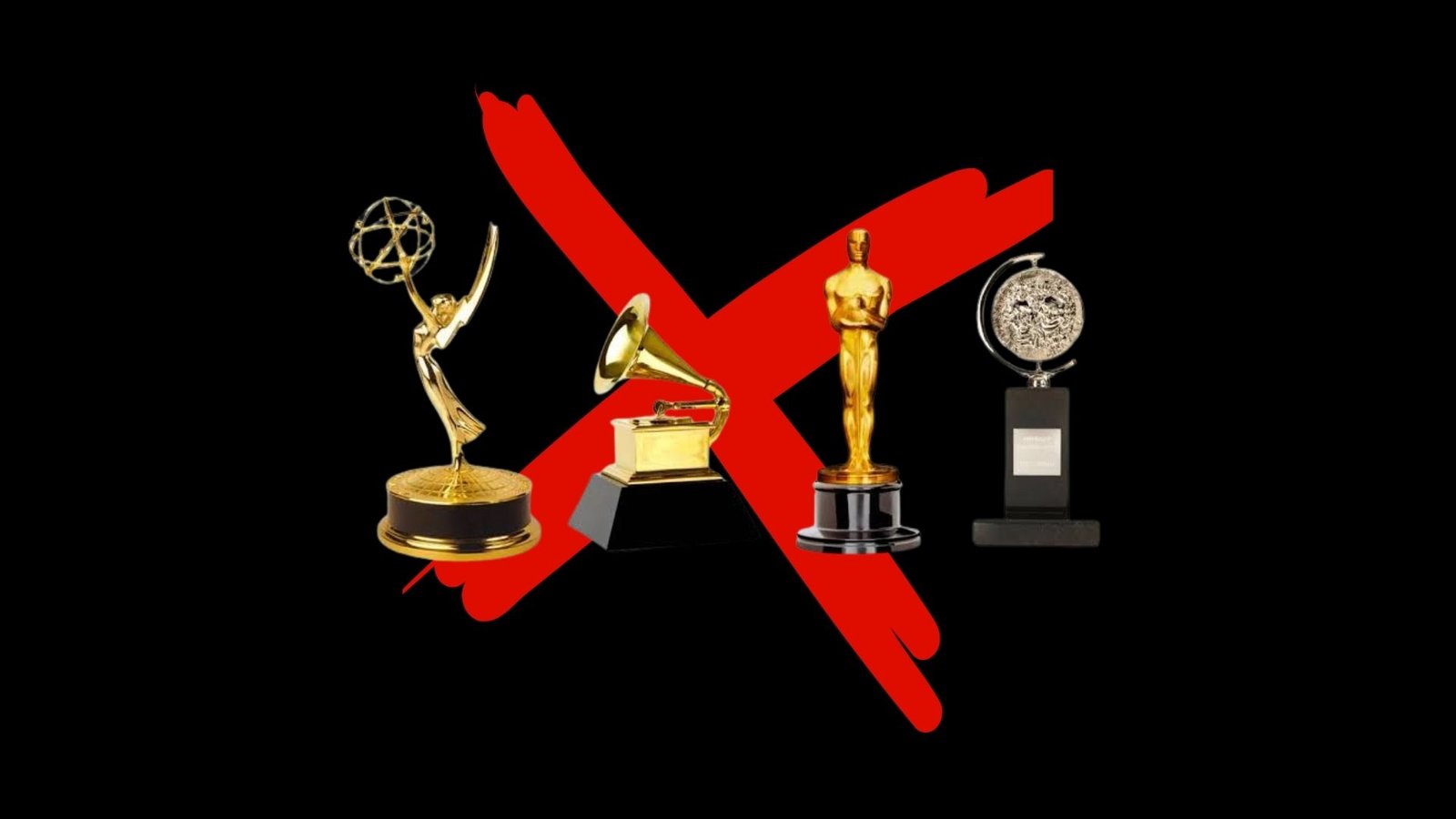
Even the most established ceremonies are not immune to this decline. The Grammys and the Oscars remain the last major award shows with a sense of prestige, yet even their influence is rapidly diminishing. The Oscars, in particular, have suffered a significant loss of cultural authority. The decision to move the ceremony away from traditional broadcast platforms such as ABC and make it accessible via YouTube signals a deeper issue: audiences are no longer motivated to tune in.
While some argue that this shift is an attempt to appeal to younger viewers, it arguably misses the point. Younger audiences are not disengaged because of where the Oscars are shown; they are disengaged because the format itself feels irrelevant. Sitting through hours of speeches to watch awards given to films that many have not seen, or do not connect with, offers little entertainment value. The prestige that once surrounded the Oscars no longer carries the same weight in a media environment driven by immediacy and relatability.
The Grammys face a similar challenge. Despite being centred on music, an industry deeply embedded in youth culture, the ceremony struggles to resonate with younger viewers. The structure of the show feels rigid and outdated, with lengthy performances and industry-focused recognition that does not reflect how people now discover and engage with music. Streaming platforms, social media trends, and viral moments now shape musical success far more than award wins ever could.
At the heart of the issue is a disconnect between institutions and audiences. Award shows still operate as though they dictate cultural relevance, when in reality, culture is now shaped from the ground up. TikTok trends, fan-driven movements, and online communities have replaced award ceremonies as the primary drivers of influence. Recognition no longer needs to come from a stage; it comes from engagement, streams, and digital presence.
This does not necessarily mean award shows are destined to disappear entirely. However, their role must evolve if they wish to survive. Without meaningful innovation, a clearer understanding of modern audiences, and a willingness to abandon outdated formats, these ceremonies will continue to lose significance.
Ultimately, the decline of award shows reflects a broader cultural shift. Audiences no longer want to be told what matters as they decide for themselves. And until award ceremonies acknowledge this reality, their relevance will continue to fade.