
Image credit: Erlen Masson
And the award goes to…
They say that fashion repeats itself every 25 years, and nowhere is that more evident than in sneaker culture. What was once old inevitably becomes new again, and what was once retro suddenly becomes a must-have statement piece. Today, that cycle has placed Adidas firmly back in the driver’s seat of the global sneaker market. The brand that once played second fiddle to Nike has now flipped the script, reclaiming cultural dominance through timeless classics like the Samba, Campus, and, most recently, the resurgence of the Superstar.
Nike’s recent struggles in maintaining its market share have given Adidas the perfect runway to soar. While Nike continues to rely heavily on its legacy models and celebrity-driven collaborations, Adidas has tapped into something deeper: the emotion of nostalgia combined with modern minimalism. The company’s strategy of reviving vintage silhouettes while integrating them into contemporary fashion has created what can only be described as a “touchable feeling” for Adidas; a connection that transcends performance and taps into lifestyle identity.
The Samba revival was the first major signal. Once considered a football trainer, the shoe reemerged as a streetwear icon, adorning the feet of influencers, athletes, and high-fashion models alike. The Campus, another 1980s staple, soon followed suit, offering a chunkier, skater-inspired aesthetic that resonated with Gen Z’s love for retro streetwear. These launches weren’t just product releases; they were cultural resets.
Adidas managed to bridge generations by making classic silhouettes feel new, relevant, and desirable.
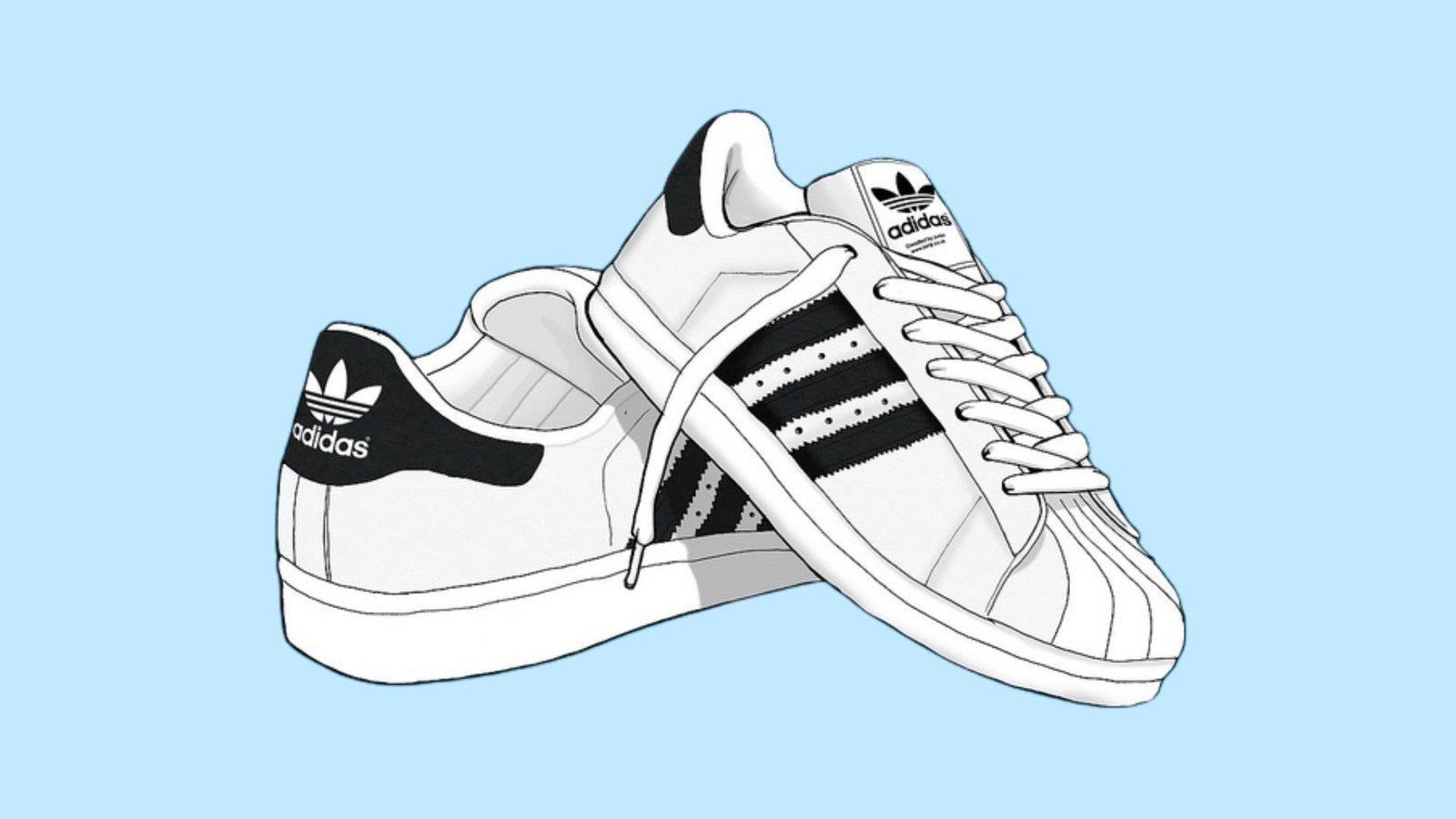
Now, all eyes are turning toward the Adidas Superstar, a model that dominated the 2010s and became synonymous with summer fashion.
For nearly five years, the Superstar was the trainer to own, worn in every major city, from London to Tokyo, and the decade came to an end, which cooled off the trend. Consumers shifted toward Nike’s Jordan and Air Force 1 lines, drawn by celebrity endorsements, limited releases, and the resurgent hype around basketball-inspired fashion.
But fashion, as history shows, always circles back. In 2025, the Superstar will once again be at the forefront, not just because of nostalgia but because Adidas understands cultural timing and uses social aspects to inspire customers via influencer marketing. The return of loose jeans, minimalist aesthetics, and the resurgence of 90s and early 2000s streetwear has paved the perfect path for the Superstar’s revival. With high-profile figures such as Molly-Mae Hague and Jude Bellingham being spotted wearing the shoe, Adidas has successfully reignited interest.
Their influence has reintroduced the Superstar to a generation that barely remembers its first reign, making it both nostalgic and new.
The upcoming colourways and collaborations set to release in 2026 are already generating huge anticipation in fashion circles. Adidas is leaning into limited editions, sustainable materials, and influencer partnerships that elevate the Superstar beyond just a shoe into a collectable symbol of cultural relevance. If history is any indication, these sneakers will sell out fast, and resale prices will soar. Sneaker enthusiasts would be wise to buy two pairs, one to wear and one to keep, because the inevitable price hike and scarcity are on the horizon.
What makes Adidas’ resurgence even more remarkable is its ability to dominate without over-saturating the market. Where Nike often floods shelves with countless variations of the same silhouette, Adidas has been more strategic, ensuring that every release feels special. This scarcity-based model creates demand through anticipation rather than availability; a marketing strategy reminiscent of how luxury brands build exclusivity.
As Nike and Jordan find themselves in Adidas’ rear-view mirror, it’s clear that the cultural moment belongs to the three stripes. The Superstar’s comeback represents more than a footwear trend; it’s a reminder that great design, authenticity, and emotional connection will always outlast hype.
In the end, the revival of the Adidas Superstar isn’t just about shoes; it’s about the cycle of culture, how nostalgia fuels desire and how legacy brands reinvent themselves for new generations. By 2026, the Superstar is poised to reclaim its crown as the most sought-after trainer on the market. And just like in its glory days, it won’t just be a sneaker; it’ll be a statement.