Netflix will conquer the streaming market
The streaming landscape is undergoing a seismic shift, and the rise of a duopoly between Netflix and Amazon Prime is pushing the industry into dangerous territory, with Amazon’s acquisition of MGM and Netflix pushing for HBO Max streaming service with the acquisition of Warner Bros. What was once a diverse, competitive market has narrowed into a two-giant showdown, one that risks suffocating creativity, consumer choice, and even the stability of global entertainment economics.
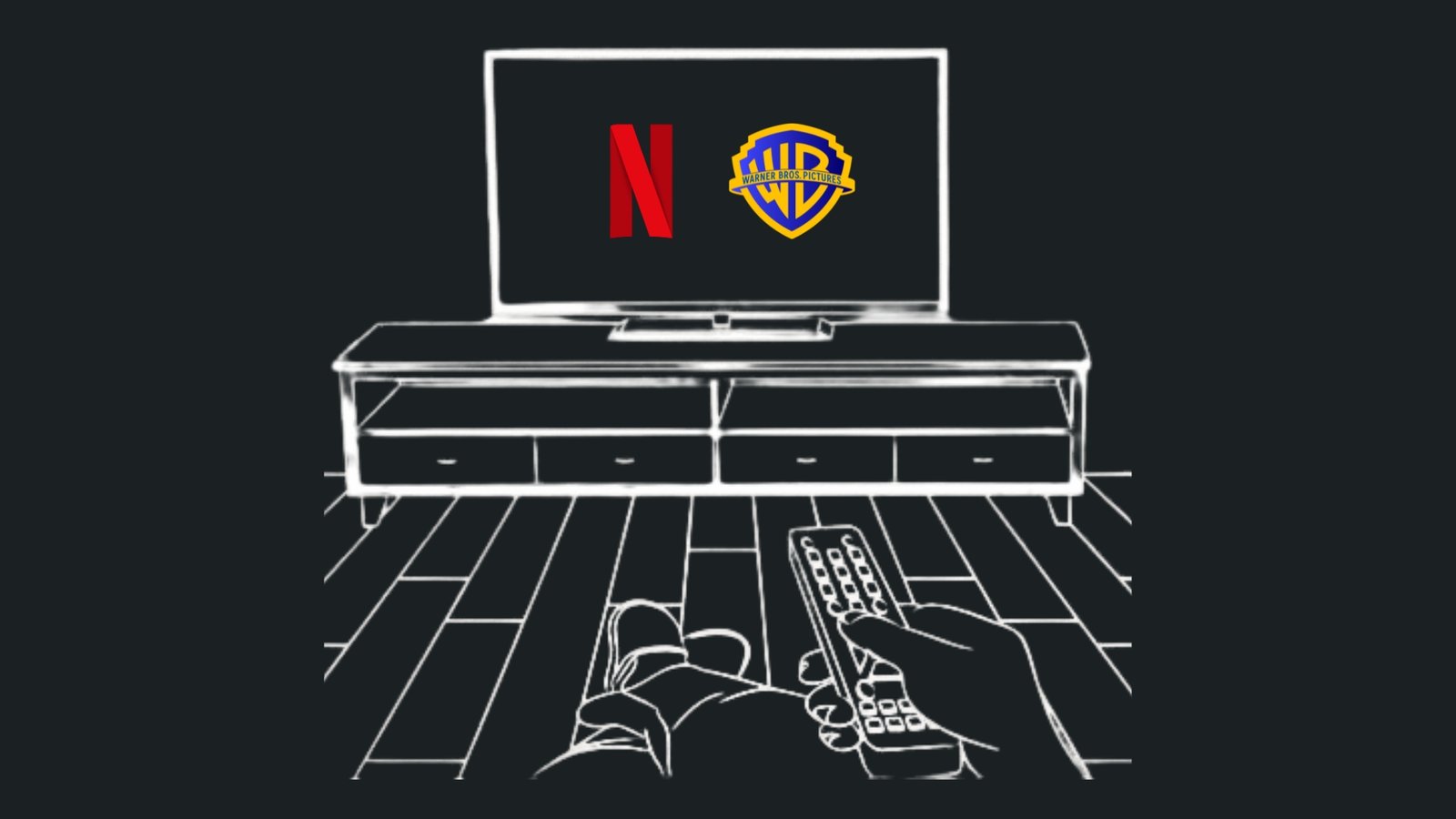
Netflix’s unprecedented $83 billion acquisition of Warner Bros marks a historic turning point. It is not just a merger; it is a declaration of power. For decades, Hollywood was shaped by the studios, their prestige, their legacy, and their filmmaking traditions. But this acquisition sends a blunt message: Hollywood no longer belongs to the studios. It belongs to the streamers, and Paramount’s efforts to hijack this deal seem pointless.
The fact that Netflix can absorb a titan like Warner Bros reveals just how deeply entrenched these companies have become. Their infrastructures, capital strength, and global reach give them near-unassailable control over content production, distribution, and now even cultural direction. This severely limits the threat of new entrants and suppresses substitute products, edging the streaming market closer to an unregulated duopoly.
Netflix CEO Ted Sarandos openly acknowledged the cultural shift driving this consolidation. With consumers growing increasingly comfortable watching blockbuster films at home, streamers have become the new theatres. The traditional cinematic experience, a pillar of entertainment for over a century, is being displaced, and the financial consequences extend beyond studio revenues. Governments rely on the economic ecosystem built around cinemas: taxes from tickets, concessions, and the broader hospitality sectors they support. As that ecosystem shrinks, so too does a source of public revenue, and it looks like shareholders from Warner Bros want Netflix to win this battle.
And monopoly power has predictable consequences. Subscription models, once affordable and attractive, are evolving into complex, expensive tiers. Netflix is already experimenting with ad-heavy packages, pushing customers toward premium pricing if they want an uninterrupted experience. This is the textbook behaviour of companies operating without sufficient competition: offer less, charge more, and leverage dominance to dictate terms. The acquisition of HBO Max as part of the deal will increase the market share of Netflix and cement its competitive advantage.
The Senate and regulatory bodies will find themselves grappling with a new reality. With Hollywood’s largest studios now under the umbrella of global tech-streaming empires, traditional antitrust frameworks may no longer be enough. The merger places Netflix at the centre of an entertainment empire so large that meaningful regulation becomes politically and economically daunting.
Netflix’s Warner Bros takeover marks the beginning of a new era, one where consumers face higher prices, fewer alternatives, and a cultural industry increasingly shaped by the priorities of two corporations. If unchecked, this duopoly will not only reshape how we watch movies, but it will also redefine who controls storytelling in the modern world.
The question now is not whether streaming has won, but it certainly looks like that. The question is who will protect the consumer and the culture, as the disappearance of cinemas is inevitable, and traditional ways of watching movies will be eradicated from society. A duopoly cannot happen otherwise; consumers will suffer at the hands of corporate price hikes.