

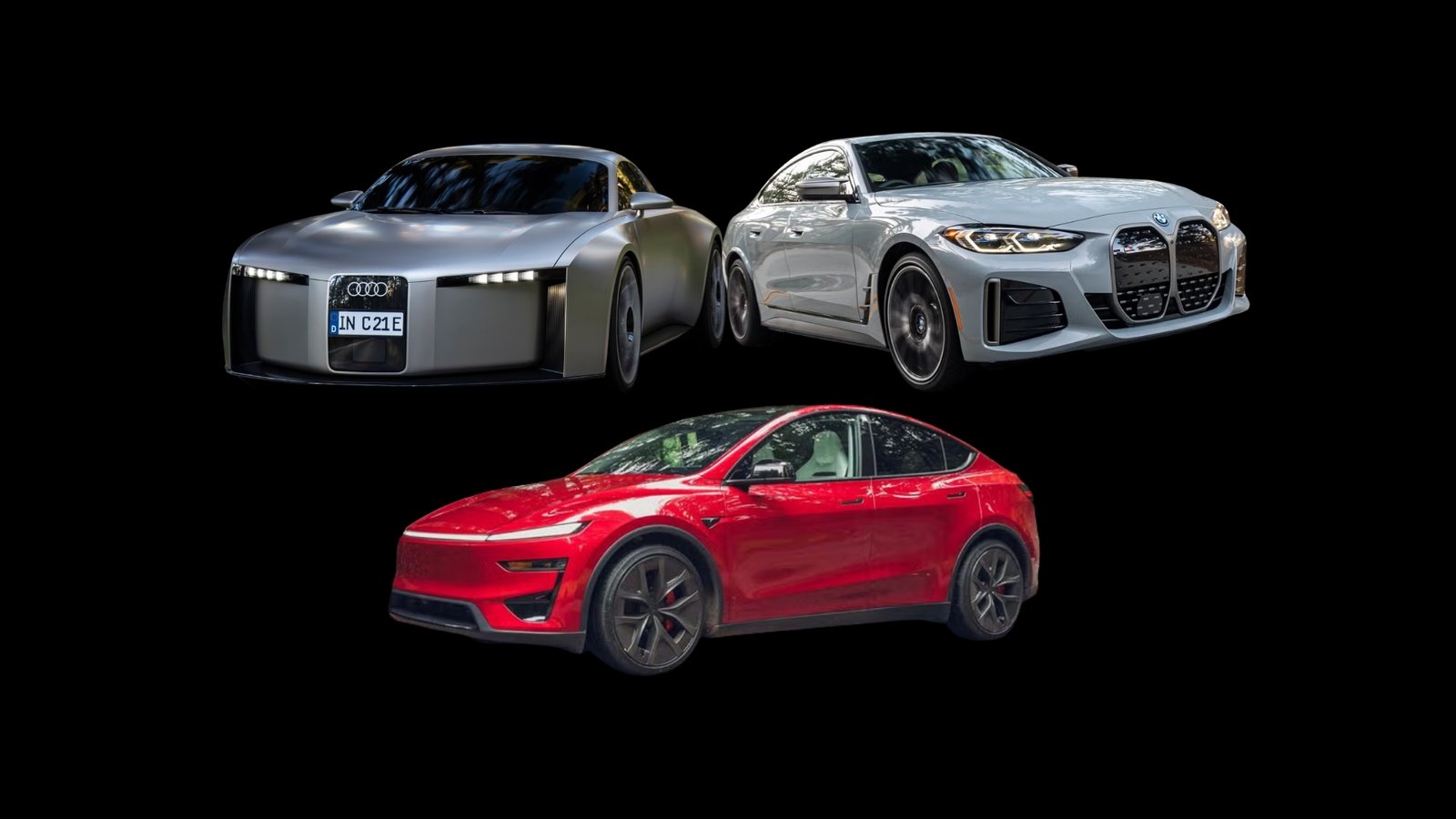
Major automakers are losing money
The idea of owning an electric vehicle was once seen as a distant dream, and it strongly highlighted the ambition of helping the environment and promoting sustainability. Over time, the concept of sustainability became a central part of the brand identity of many automakers. Companies began to create ambitious marketing campaigns that emphasised the environmental benefits and technological capabilities of electric vehicles. These campaigns presented EVs as the future of transport, suggesting that they would significantly reduce carbon emissions and contribute to a cleaner planet.
Consumers were initially in awe of this innovation, and many felt empowered by the idea of reducing their carbon footprint. Owning an electric vehicle became more than just a practical decision; it became a statement about environmental responsibility and modern thinking. As awareness around climate change increased, more consumers began to consider EVs as a viable alternative to traditional petrol and diesel vehicles.
The electric vehicle market grew rapidly, with Tesla playing a leading role in shaping the industry. Tesla not only embraced this technology but pushed it forward by producing vehicles that were innovative, high-performing and desirable. Their models challenged the perception that electric vehicles were slow or impractical, instead demonstrating that EVs could compete with, and in some cases outperform, traditional petrol and diesel cars. This shift in perception was crucial in driving wider acceptance of electric vehicles.
Tesla positioned EVs as the future of the automotive industry and influenced consumers to believe that they needed electric vehicles more than any other type of car on the market. As a result, other automotive companies began to follow this trend, investing heavily in electric vehicle development. Manufacturers across the globe introduced their own EV models in an attempt to compete with Tesla’s performance, design and technological appeal. This created a highly competitive market, with innovation accelerating at a rapid pace.
However, the idea of owning an electric vehicle may not be as straightforward as it initially appears. One of the key arguments is that consumers may not be helping the environment as much as they believe. While EVs produce zero emissions during use, concerns have been raised about the environmental impact of battery production, resource extraction and electricity generation. These factors complicate the narrative that electric vehicles are entirely sustainable.
Governments have also begun to reassess the long-term sustainability of EVs. In some cases, policies and taxation have been adjusted, which has led to increased costs for consumers. This has created uncertainty within the market and raised questions about whether electric vehicles are as economically viable as initially presented. The shift in government approach suggests that the transition to electric vehicles may be more complex than originally anticipated.
Traditional manufacturers such as Honda have also faced challenges adapting to this shift. Reports of financial struggles linked to EV development highlight the difficulty of transitioning from established petrol and diesel technologies to fully electric systems. This underscores the risks involved in rapidly changing an entire industry.
In addition to economic concerns, there have been growing reports of technical issues associated with electric vehicles. Incidents involving battery malfunctions, charging problems and performance limitations have contributed to scepticism among some consumers. While such issues are not universal, they have been widely discussed and have influenced public perception. Safety concerns, particularly those related to battery fires, have also played a role in shaping opinions about EV reliability.
As a result, some consumers are becoming more hesitant about fully committing to electric vehicles. The perception that EVs may not be as reliable or sustainable as initially advertised has led to renewed interest in traditional petrol and diesel cars. Despite increasing pressure to move away from fossil fuels, these vehicles continue to offer familiarity, established infrastructure and proven performance.
Ultimately, petrol and diesel vehicles are likely to remain part of the automotive landscape for the foreseeable future. While electric vehicles represent an important step towards innovation and environmental awareness, the transition is not without its challenges. The debate surrounding sustainability, cost and reliability suggests that the future of transport will not be defined by a single solution, but rather a combination of evolving technologies and consumer choices.