
African football in crisis
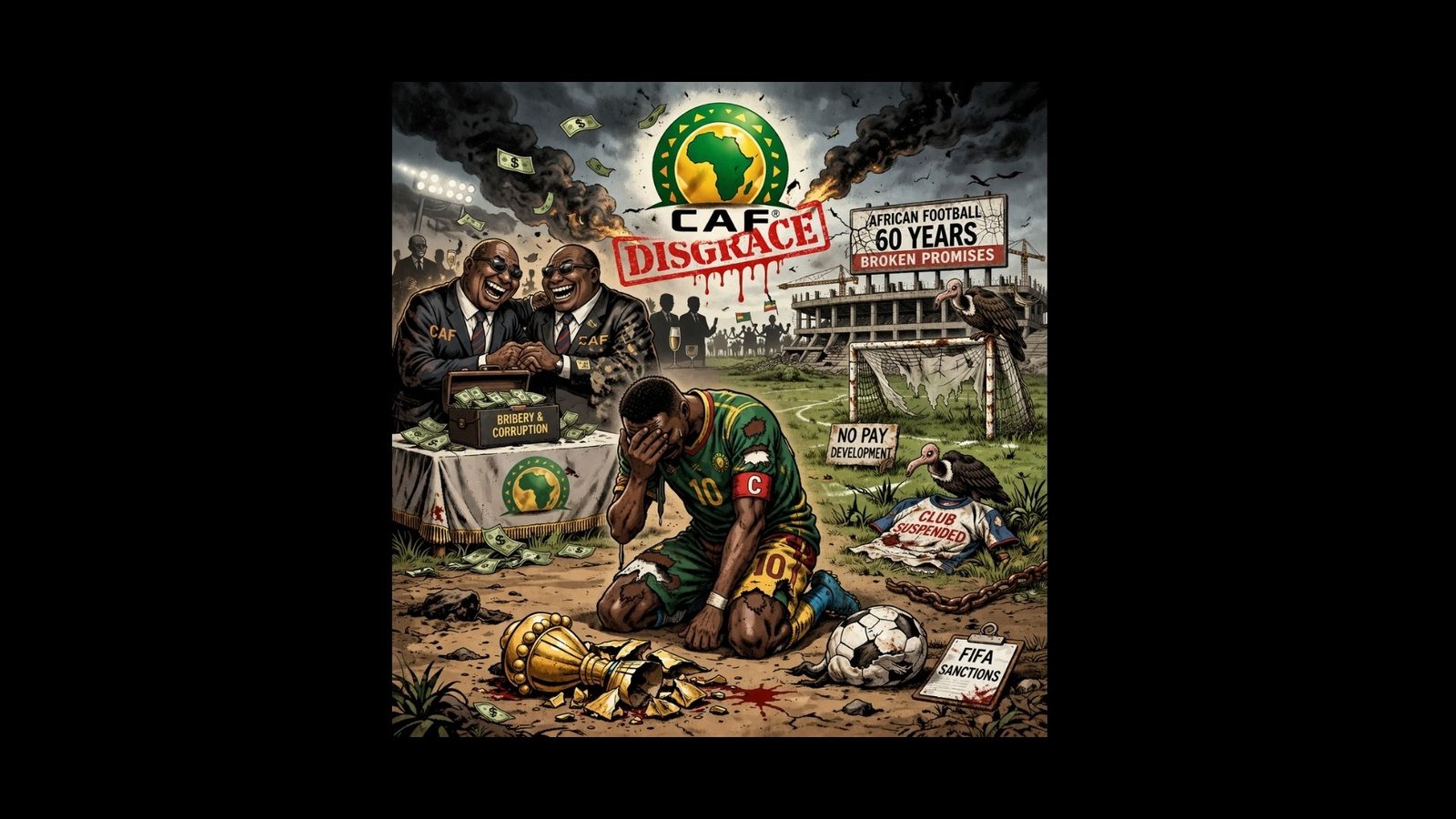
They say corruption is deeply rooted in African politics, but football is certainly becoming one of the areas where concerns about corruption are starting to appear. The role of the Confederation of African Football (CAF) has increasingly come under scrutiny, particularly during major tournaments. The marketing budget of CAF during the Africa Cup of Nations was questioned, as it felt that CAF was not investing enough in marketing to promote the competition effectively. For a tournament of such prestige and cultural importance, the lack of visibility raised serious concerns among fans, analysts and stakeholders.
The tournament itself appeared lacklustre in presentation, and the absence of strong sponsorship deals made the event seem underwhelming compared to other international competitions. Many observers noted that the commercial side of the tournament did not match the quality of football on display. Some argued that the marketing budget may have been redirected elsewhere, with more emphasis placed on ensuring a host nation narrative rather than on prioritising the tournament’s overall success and global appeal. This perception created a disconnect between the quality of football and the way the tournament was presented to the world.
Despite these shortcomings, the tournament was successful in terms of the football itself. The style of play was competitive, entertaining and showcased the immense talent of African players, many of whom compete at the highest levels in European football. This contrast between on-pitch excellence and off-pitch organisation highlights a recurring issue within the tournament’s structure. While the players continue to elevate the competition, the administration and management often fail to match that same standard.
Broadcasting rights also became a significant talking point. European broadcasters such as Channel 4 treated the tournament as a secondary product, often using less prominent pundits and commentators for coverage. This approach suggested that AFCON was not being given the same level of importance as other major tournaments, further reinforcing the perception that it was undervalued on the global stage. However, because the football itself was of high quality, many fans chose to overlook these shortcomings and continued to engage with the tournament.
As the tournament progressed, concerns began to emerge regarding fairness and decision-making. It became increasingly evident that the host nation appeared to have the upper hand, with several controversial decisions seemingly going in their favour. This raised serious questions about the integrity of officiating and governance within CAF. In any major sporting competition, transparency and fairness are essential, and any perception of bias can significantly damage credibility.
The situation escalated dramatically during the final of the AFCON. Racist abuse directed at Senegalese players created a highly charged and unacceptable environment. The decision by the Senegalese team to consider leaving the pitch was both understandable and justified, as no players should be expected to continue competing under such conditions. However, CAF’s response to the situation was widely criticised. Rather than fully supporting the players and addressing the severity of the incident, the organisation appeared to mishandle the situation. The reported decision to strip Senegal of the title has been described by many as one of the most embarrassing moments in football history.
This incident has severely damaged the reputation and integrity of CAF. Trust in the organisation has been undermined, and many are now questioning whether the AFCON can recover from such a controversy. The long-term consequences could be significant. Players who compete at the highest level in Europe may begin to reconsider their participation in future tournaments if they feel that their safety, dignity and fairness are not guaranteed.
Ultimately, this raises an important question: will AFCON ever be the same again? Based on recent events, there is a real risk that the tournament could lose some of its top talent. If players choose not to participate, the quality and global appeal of the competition could decline. CAF must take immediate and meaningful action to restore credibility, improve governance and ensure that players are protected. Without these changes, African football risks losing one of its most important platforms, and the consequences could reshape the future of the sport across the continent.