
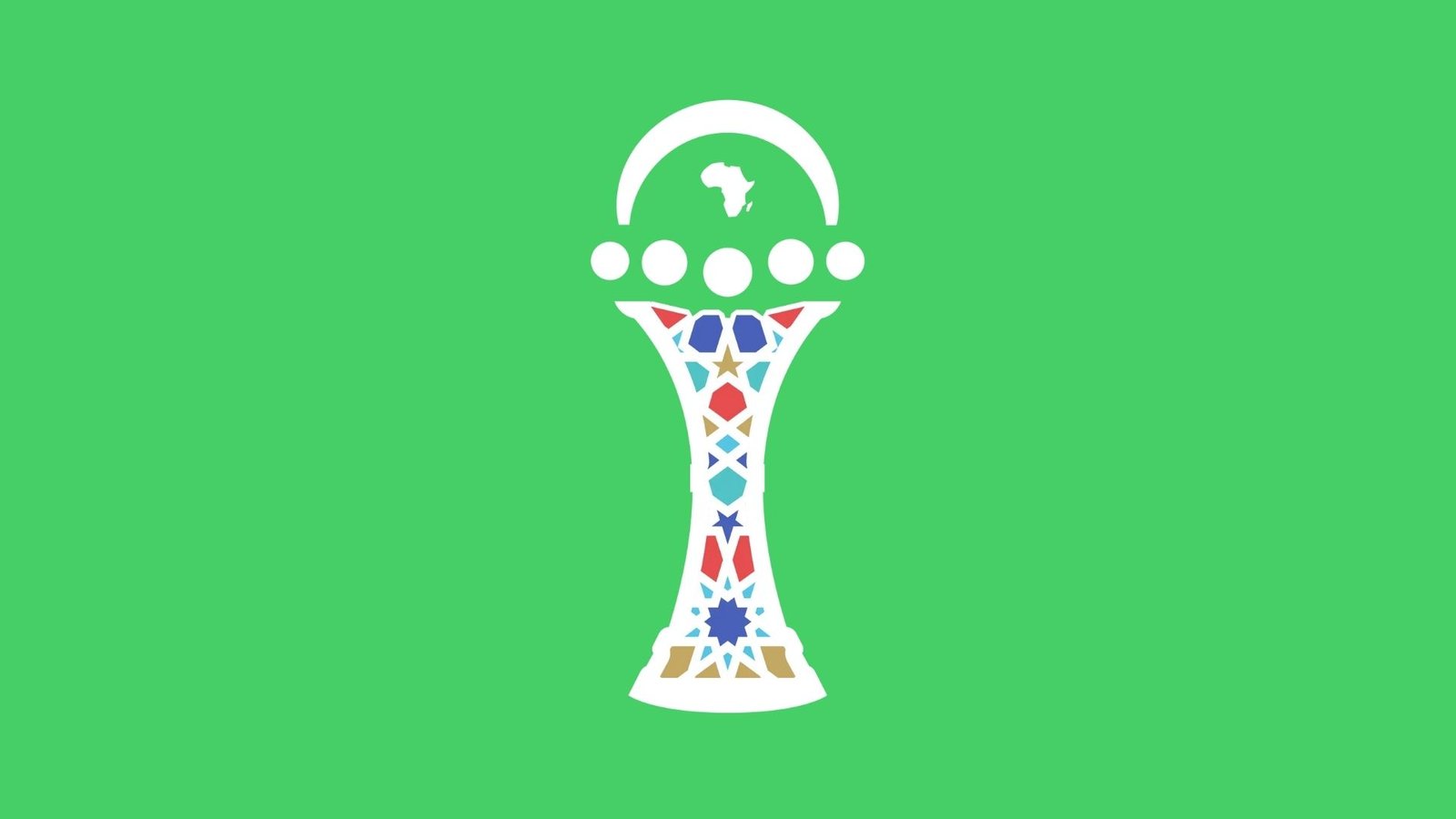
Image credit: CAF – AFCON trophy
A profound marketing strategy is needed
Watching the African Nations Cup in Morocco has been a frustrating experience, and not because of the football itself. The real disappointment lies in the atmosphere surrounding the tournament. For a competition that represents the pinnacle of African football, the energy inside the stadiums has felt subdued, almost hollow. The empty seats, muted crowds, and lack of visible excitement give the impression of an event that has not been properly nurtured or promoted.
This lack of atmosphere does not stem from the players. On the pitch, the quality is evident. African football continues to produce world-class talent, tactical battles, and moments of genuine brilliance. The problem lies elsewhere, in the organisation, presentation, and promotion of the tournament. It feels as though the Confederation of African Football (CAF) has leaned too heavily on star names such as Mohamed Salah, Victor Osimhen, and Bryan Mbeumo to generate interest, rather than investing in the competition as a product in its own right.
When comparing AFCON to tournaments like the European Championships, the contrast is stark. UEFA understands the importance of marketing, branding, and storytelling. The Euros feel like a celebration long before a ball is kicked, with sponsors, broadcasters, and host cities all playing their part in building anticipation. With AFCON, however, that same sense of occasion is largely absent. The promotional build-up feels rushed, inconsistent, and in some cases nonexistent.
There is also a growing perception that much of the revenue generated by the tournament does not find its way back into improving the fan experience. Instead, it appears to be absorbed at administrative levels, with little visible reinvestment into infrastructure, promotion, or broadcast quality. This creates a disconnect between the importance of the competition and how it is presented to the world.
To Morocco’s credit, the host nation has made visible efforts to inject life into the tournament. Cities such as Marrakesh have embraced the event, with decorations, colours, and local pride on display. This shows that, at a national level, there is a genuine desire for the competition to succeed. However, these efforts can only go so far when they are not matched by strong organisational leadership from CAF itself.
On the pitch, some matches have been genuinely thrilling, offering the kind of drama and intensity that African football is known for. These moments have been the tournament’s saving grace, reminders of what AFCON can be when allowed to shine. Unfortunately, they often feel isolated, overshadowed by a broader sense of disorganisation and under-promotion.
Broadcasting has also played a role in diminishing the experience. The coverage on Channel 4, for example, has been notably underwhelming. Commentary feels flat, lacking the enthusiasm and insight needed to bring matches to life. It gives the impression that the tournament is being treated as filler content rather than a major international event. When broadcasters fail to invest in strong presentation and analysis, it inevitably affects how audiences and die-hard fans perceive the competition.
There are solutions, but they require ambition. CAF must take marketing more seriously, invest in fan engagement, and modernise how the tournament is presented globally. Scheduling could also be reconsidered; a summer tournament might allow for better attendance, stronger broadcasting interest, and greater alignment with international football calendars.
Additionally, the idea of a more unified African framework, similar to the European Union, could help transform tournaments like AFCON. Easier travel, freer movement of fans, and stronger intercontinental cooperation would dramatically improve attendance and atmosphere, turning the competition into the continental celebration it deserves to be.
AFCON should be one of the crown jewels of world football. The talent is there. The passion is there. What is missing is vision, investment, and leadership. Until CAF addresses these issues, the tournament will continue to fall short of its immense potential, not because of the players, but because of the system surrounding them.