
Image credit – Warner Bros Inc.
The end of an industry
The acquisition of Warner Bros represents far more than a corporate transaction — it signals the beginning of the end for Hollywood as a dominant cultural and industrial force. If the deal proceeds, it will mark a significant moment when traditional filmmaking officially loses its grip on the entertainment world, handing over full control to streaming conglomerates, with Netflix positioned firmly at the forefront. This is not simply a business merger. This represents a significant power shift that will enhance Netflix’s competitive edge.
For over a century, Hollywood functioned as the global engine of cinema and television. It shaped culture, created stars, dictated trends, and defined what storytelling looked like across continents. Warner Bros, in particular, was one of the final pillars holding that legacy together. Its film catalogue, television infrastructure, creative networks, and historical significance made it one of the last true “old Hollywood” institutions.
Netflix’s acquisition of Warner Bros would effectively centralise power in a way the film industry has never experienced before. This is not simply vertical integration; this is total dominance over production, distribution, and consumption. Netflix already controls audience data, viewing habits, global distribution channels, and algorithmic promotion. Adding Warner Bros’ intellectual property, studios, and legacy franchises would give it unmatched leverage over the entertainment ecosystem.
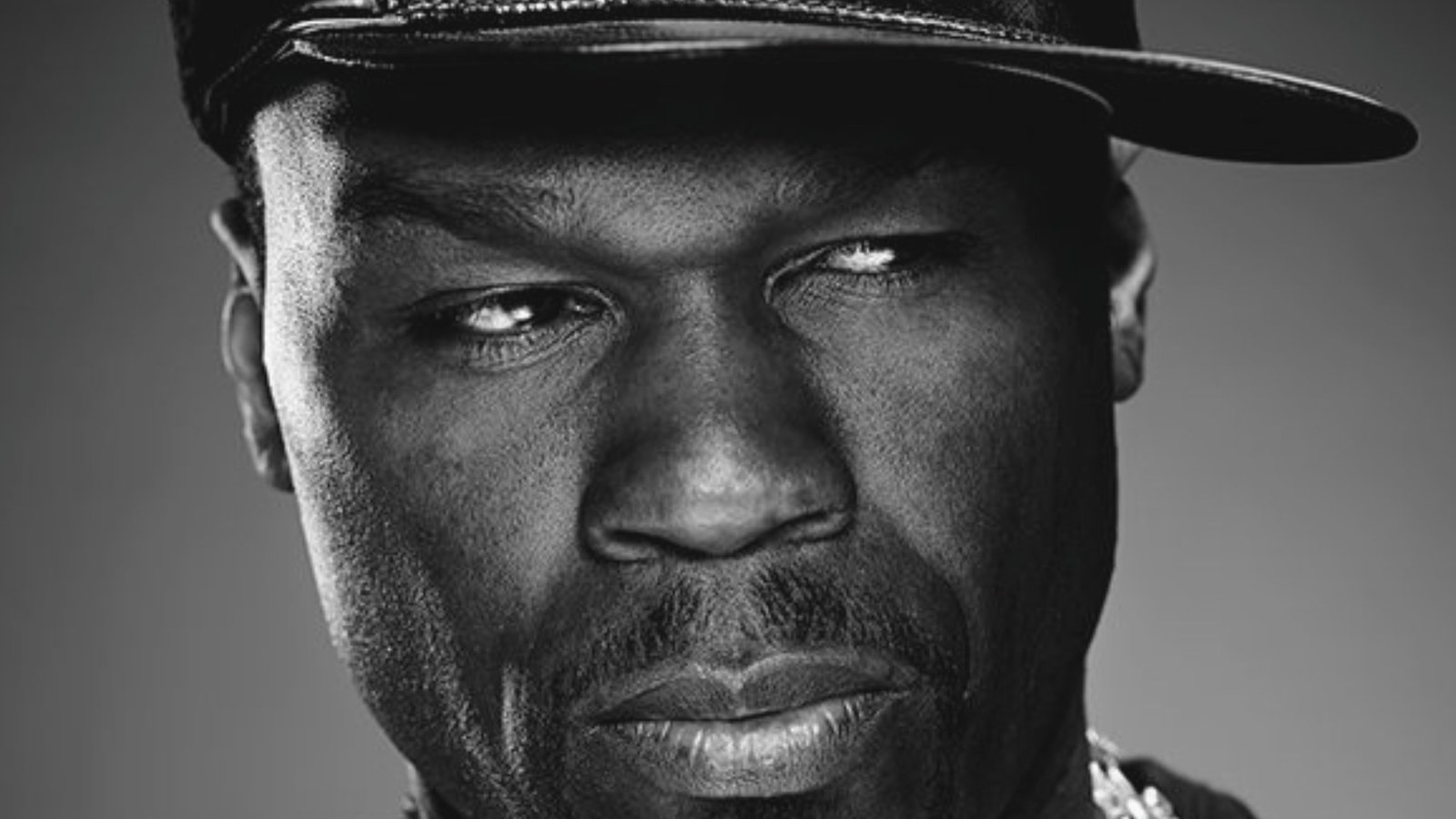
Warner Bros, despite its recent struggles, still represented something vital: a bridge between traditional cinema and modern entertainment. Even with mounting debts, failed partnerships, and the collapse of major broadcasting deals like the NBA contract, the studio still held immense cultural capital. Its existence helped balance the industry by ensuring that streaming platforms did not fully absorb cinema’s creative identity. Once that balance is gone, Hollywood becomes vulnerable, and also the emergence of studios are resided over this institution, for example, Tyler Perry Studios in Atlanta and 50 Cent’s G-Unit Films/ Television based in Shreveport.
The sale exposes a deeper truth — Hollywood is no longer profitable in the way it once was. The theatrical model has weakened. Cinema attendance continues to decline. Audiences have been trained to expect instant access, low subscription costs, and endless content. The pandemic accelerated a shift that was already underway: people no longer see movie theatres as essential. Netflix understands this better than anyone as the average audience that goes to the cinema has decreased due to the price hikes and dull atmospheres.
By absorbing Warner Bros, Netflix would not only inherit decades of iconic Intellectual Property but also eliminate one of its last major competitors capable of rivalling its scale. This would effectively reduce Hollywood to a feeder system, a content farm rather than a cultural institution that embodies the essence of films and arts.
Hollywood was once the world’s storytelling capital. It set standards, created stars, and even influenced politics, fashion, and global culture. If Netflix becomes the dominant gatekeeper, storytelling will no longer be driven by creativity or cinematic ambition, but by algorithms, retention metrics, and global binge patterns. This shift also has economic consequences as they will hold the major stocks to prevent new stars and stop threats of new entrants or even threats of substitute products.
The traditional Hollywood system supported thousands of workers — writers, actors, technicians, production crews – through long-term contracts and studio infrastructures. A streaming-dominated model prioritises speed, volume, and short-term engagement. That means fewer long-term jobs, less creative risk, and a race to produce content that simply keeps users subscribed.
That gap will be filled, but not in the same way. Amazon (via MGM), Tyler Perry’s growing empire, 50 Cent’s G-Unit Film & Television, and Starz will all attempt to claim territory. But none of them carry the cultural gravity of Warner Bros. Their growth will fragment the industry rather than unify it. And Netflix will benefit most from that fragmentation.
With Warner Bros under its umbrella, Netflix can reshape the rules: films made for streaming, not theatres, shorter production cycles (introduction of AI), lower risk tolerance, greater reliance on franchises, and higher subscription tiers with ads.
The consumer may initially benefit from access and volume, but long-term creativity will suffer. When one company controls distribution, visibility, and monetisation, diversity of storytelling becomes secondary. Hollywood, as we know it, will not survive this transition.
It will not collapse overnight, but it will slowly fade into irrelevance, remembered more as a brand than a creative force. The glamour, risk-taking, and cultural power that once defined it will be replaced by efficiency, algorithms, and global content strategies. If this acquisition is approved, it will not simply mark the fall of Warner Bros. It will mark the moment Hollywood officially lost control of its own future. And once that happens, there is no going back.